A $15 Fine and a Lesson Learned: When Traffic Tickets Didn't Ruin Your Month
A $15 Fine and a Lesson Learned: When Traffic Tickets Didn't Ruin Your Month
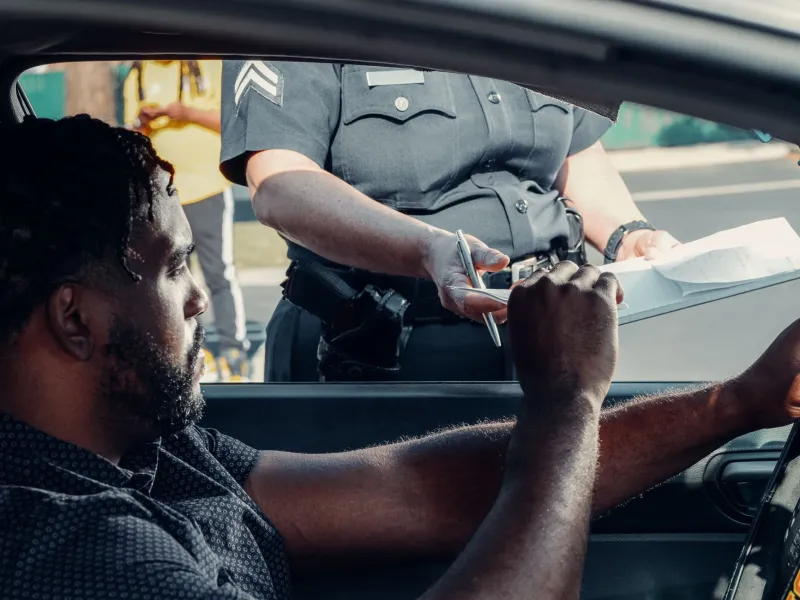
Imagine getting pulled over for doing 47 in a 35. The officer hands you a ticket. You drive to the courthouse, pay $15, feel appropriately embarrassed, and go home. The whole thing takes 45 minutes and costs less than a tank of gas.
That was the American traffic ticket experience for most of the 20th century. A minor infraction. A flat fine. A lesson, more or less, learned.
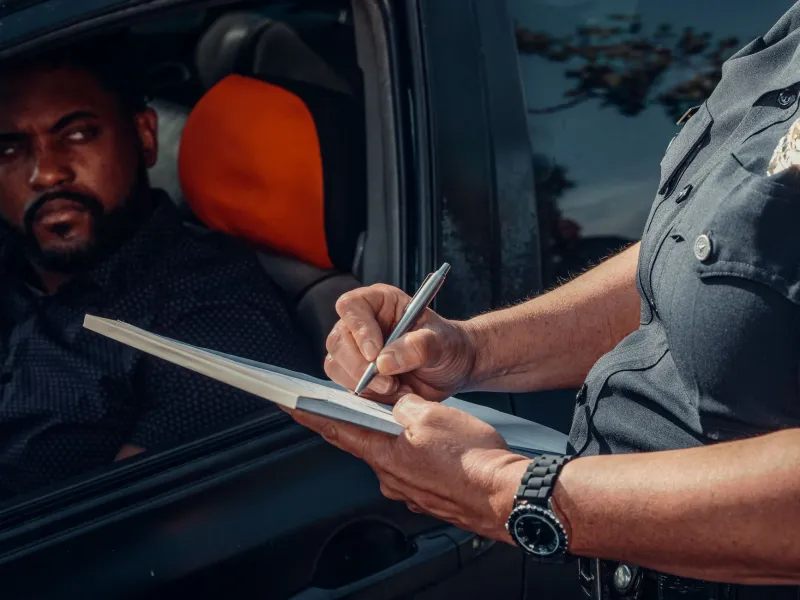
Now imagine the same stop in 2024. The base fine might be $150. But then comes the state penalty assessment — often a multiplier of the base fine. Then a court operations fee. A criminal justice construction surcharge. An emergency medical services fee. A night court assessment. A DNA identification fund contribution. Before you've spoken to a judge or missed a single payment, your $150 ticket is $400. If you can't pay immediately and miss a deadline, your license gets suspended. Now you're driving on a suspended license, which is a separate offense. Which generates a new fine. Which you also can't afford.
This is not a hypothetical. It's a documented cycle that traps hundreds of thousands of Americans every year. And it would be completely unrecognizable to anyone who got a speeding ticket in 1972.
What Tickets Actually Used to Cost
In the 1960s and early 1970s, traffic fines across most American states were modest, flat amounts set by local ordinance. A speeding ticket in many jurisdictions cost between $10 and $25. Running a red light might set you back $15. These weren't trivial sums — adjusted for inflation, $15 in 1965 is roughly $150 today — but they were proportionate, predictable, and payable in a single transaction.
More importantly, the fine was the fine. There were no add-ons. No state surcharges layered on top of county surcharges layered on top of administrative processing fees. You paid the number on the ticket. Done.
Local courts handled violations informally. Many drivers simply mailed in payment or appeared briefly before a judge who had the discretion to reduce fines based on circumstance. The system was imperfect and inconsistent, but it operated on a basic principle: the punishment should fit the infraction, not the budget crisis of the jurisdiction administering it.
The Shift That Changed Everything
The transformation began quietly in the 1980s and accelerated through the 1990s. State and local governments, squeezed by budget pressures and reluctant to raise taxes directly, discovered that traffic fines were an attractive alternative revenue source. Unlike taxes, nobody campaigns against traffic fines. The political resistance is minimal — after all, you only pay them if you break the law.
The mechanism was elegant in its simplicity: rather than increasing the base fine, legislators added surcharges, assessments, and fees that sat on top of it. These additions were often earmarked for specific funds — courthouse construction, victim compensation, emergency services — which gave them a veneer of legitimacy. But the cumulative effect was a dramatic increase in the real cost of a minor violation.
California became something of a case study in this phenomenon. A 2009 report found that a $100 base fine in the state carried $490 in additional penalties and fees, bringing the total to $590. A simple traffic ticket had become a near-$600 bill. Similar patterns emerged in Texas, New Jersey, Louisiana, and across the South, where traffic fines became a primary mechanism for funding local government in lower-income communities.
When You Can't Pay: The Spiral Begins
The fee structure alone would be troubling enough. But the consequences of nonpayment transformed an inconvenience into something far more serious.
In most states, failure to pay a traffic fine results in automatic license suspension. This sounds logical on the surface — pay your fines or lose your driving privileges. But in a country where most people have no meaningful public transportation alternative, losing a driver's license frequently means losing a job. And losing a job makes paying the fine even harder.
A 2018 report by the Fines and Fees Justice Center found that at least 11 million Americans had their licenses suspended for failure to pay court debt — not for unsafe driving, but for financial reasons. In some states, the suspension itself triggered additional fees to reinstate the license. Drivers who couldn't afford to reinstate legally continued driving anyway, accumulating new charges for driving on a suspended license, each with its own fee structure.
The American Civil Liberties Union documented cases in which individuals owed more in traffic-related debt than they earned in a year. Not because they were reckless drivers. Because they got one ticket, couldn't pay it immediately, and watched the penalties compound.
Who Gets Hit Hardest
The burden doesn't fall evenly. Low-income Americans — disproportionately Black and Hispanic — are far more likely to face license suspension for unpaid fines, far less likely to have the savings to pay immediately, and far more likely to live in jurisdictions that rely heavily on fine revenue to fund basic services.
The city of Ferguson, Missouri became a national symbol of this problem after the 2014 unrest there prompted a Department of Justice investigation. Investigators found that the city had been systematically using its municipal court to generate revenue from its residents — primarily low-income Black residents — through a cascade of fines, fees, and warrants for unpaid violations. A single parking ticket could generate a warrant. A warrant generated fees. Fees generated additional warrants. The system was, in the DOJ's words, designed to extract money rather than promote public safety.
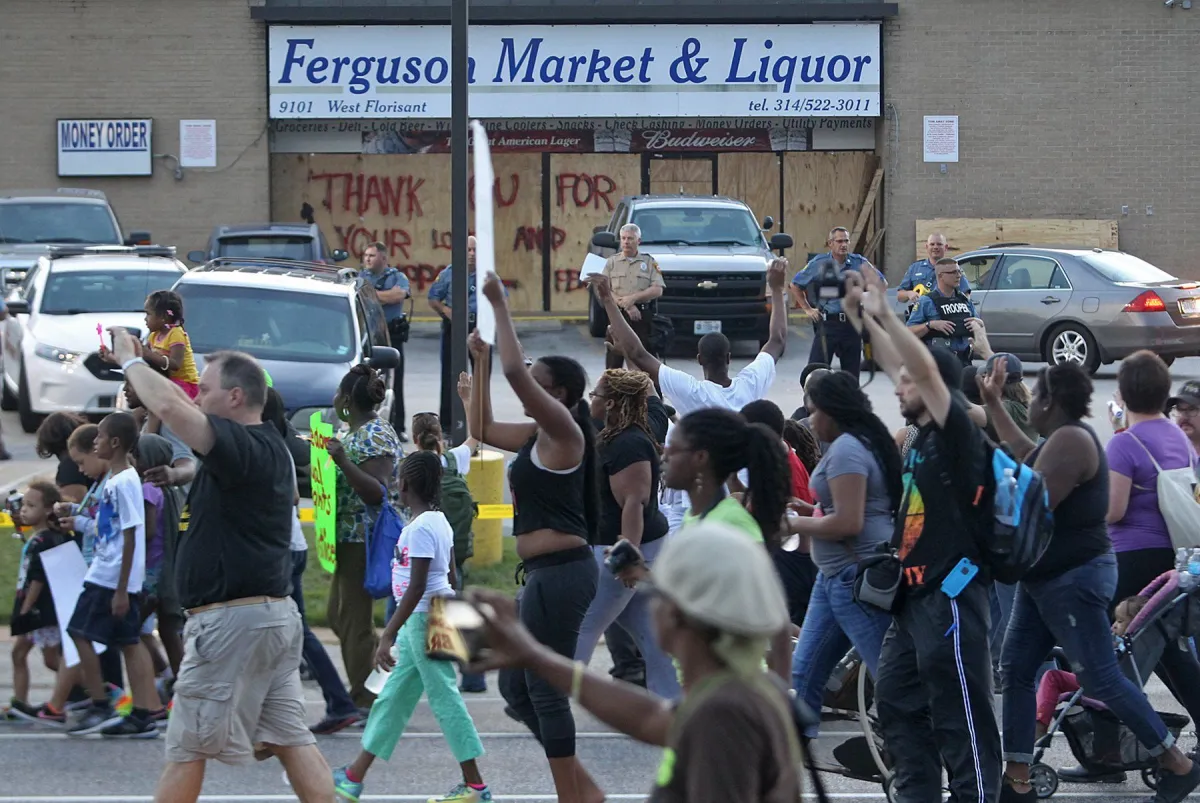 Photo: Ferguson, Missouri, via media.newyorker.com
Ferguson was not unique. It was simply well-documented.
A Different Kind of Accountability
None of this is to argue that traffic laws shouldn't exist or that violations shouldn't carry consequences. The point is that the consequence used to be proportionate. A $15 fine in 1970 stung a little and sent a message. It didn't derail a family's finances or trigger a years-long cycle of debt and suspended driving privileges.
Some states have begun to recognize the problem. California reformed its fee structure in 2021, eliminating many of the add-on surcharges that had made tickets so punishing. Other states have moved toward income-based fine systems — a model common in Scandinavia — where the fine scales with what a person actually earns. A speeding ticket for a millionaire and a speeding ticket for a warehouse worker are the same infraction. Whether they should carry the same dollar amount is a question more jurisdictions are starting to ask.
But for most of America, the traffic ticket remains a financial event whose size has very little to do with how fast you were going — and everything to do with how many agencies have figured out how to attach their name to the bill.