When College Football Was Just a Game: The Billion-Dollar Takeover Nobody Voted On
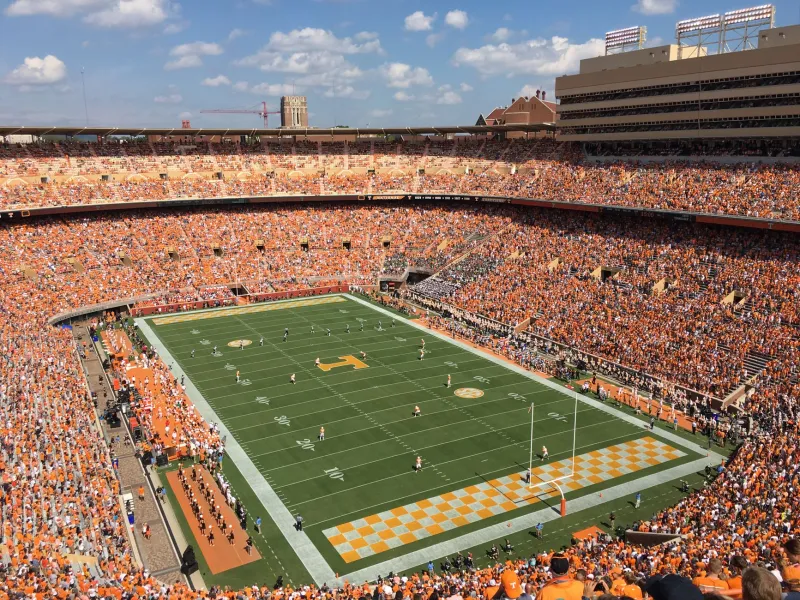
In 1975, a family of four could attend a University of Michigan home football game for somewhere around $12 total. Parking, a couple of hot dogs, and four tickets — and you'd probably get change back from a twenty. The stadium was packed, the atmosphere was electric, and nobody in the press box was worried about a television rights negotiation.
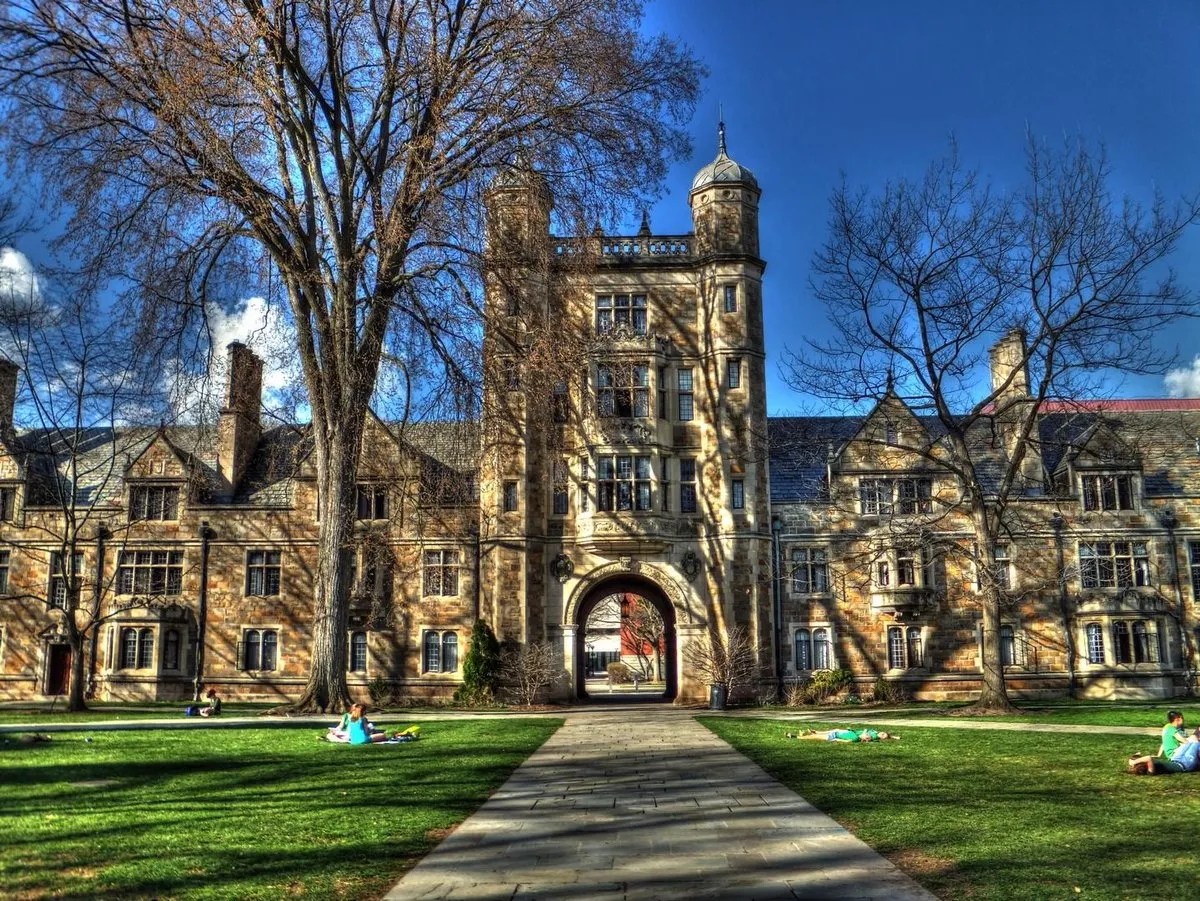 Photo: University of Michigan, via dynamic-media-cdn.tripadvisor.com
Fifty years later, that same experience might cost $400 before you've even looked at a parking pass.
Something happened to college sports in America. Something enormous. And most people didn't notice until it was already done.
It Started as Something Genuinely Innocent
Collegiate athletics in the early-to-mid twentieth century were exactly what the name implied: activities organized by and for students, loosely supervised by universities that viewed athletics as a character-building supplement to academic life. Coaches were often faculty members or modestly paid staff. Athletic departments were not expected to generate revenue — they were expected to serve students.
The Rose Bowl, founded in 1902, was a novelty. A regional celebration. Nobody was negotiating broadcast rights because there were no broadcasts. Ticket prices reflected what a student or local family could reasonably afford. The game was the product, and the product was a game.
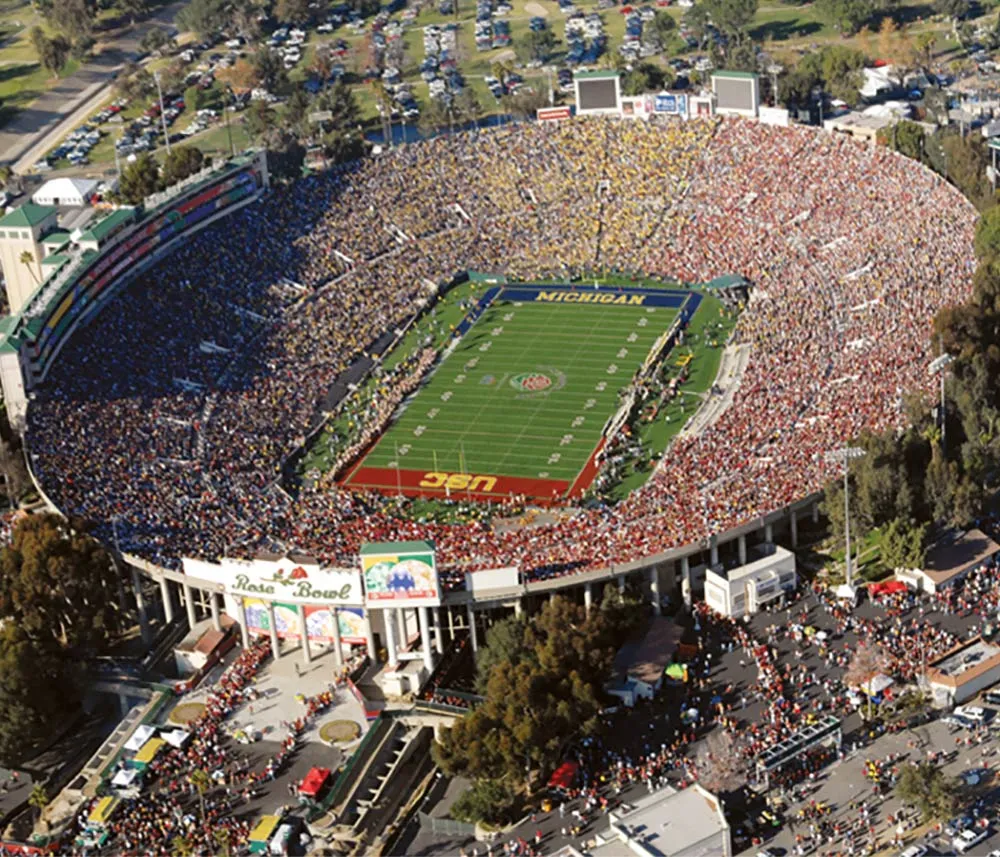 Photo: Rose Bowl, via tournamentofroses.com
Even into the 1960s and early 1970s, the economics of college sports remained relatively contained. Coaches at major programs earned comfortable salaries, but nothing that would raise eyebrows at a faculty meeting. Athletic budgets were measured in the low millions. The word "brand" had not yet entered the vocabulary of a university athletic director.
Television Changed the Equation Permanently
The pivot point, as with so many American cultural transformations, was television.
The NCAA had controlled college football broadcasting since the 1950s, limiting how often any team could appear on TV to protect gate receipts. Then in 1984, the Supreme Court ruled in NCAA v. Board of Regents of the University of Oklahoma that the NCAA's broadcast controls violated antitrust law. Schools and conferences gained the right to negotiate their own TV deals.
What followed was a gold rush. Conferences began competing aggressively for television revenue. Schools that could deliver large, passionate fan bases suddenly had enormous leverage. The SEC, Big Ten, and other power conferences signed deals worth hundreds of millions of dollars. Then billions. The Big Ten's current media rights agreement, signed in 2022 with Fox, CBS, and NBC, is worth approximately $7.5 billion over seven years.
Seven and a half billion dollars. For college sports.
The Coaches Got Paid. The Players Didn't.
As revenue exploded, coaching salaries followed. Nick Saban, before his retirement from Alabama, earned more than $11 million per year. Several other head coaches at major programs earn between $7 and $10 million annually. Coordinators — assistant coaches — at top programs now regularly earn $1 to $3 million.
Meanwhile, for most of this era, the athletes generating all of that revenue received scholarships — valuable, certainly, but capped. The NCAA's amateur model explicitly prohibited players from profiting from their own name, image, or likeness. A coach could earn $10 million. A quarterback who filled that stadium every Saturday could not accept $50 from a local car dealership for an autograph.
That changed in 2021, when the Supreme Court again ruled against the NCAA and NIL (name, image, and likeness) rights were granted to college athletes. It was a seismic shift — but it arrived after decades in which billions were made on the labor of young people who were legally prohibited from sharing in any of it.
What It Costs a Family Today
The commercialization isn't abstract. It shows up in your wallet the moment you try to attend a game.
At many major programs, simply purchasing season tickets now requires a "seat donation" — a mandatory annual contribution to the athletic department on top of the ticket price itself. A family seeking four decent seats at a major SEC or Big Ten game might spend $800 to $1,200 on tickets alone, plus parking fees that can run $50 to $100, plus concessions priced like airport food. Premium seating, club access, and luxury suites have transformed stadium economics — and pushed ordinary fans further from the field.
The 1975 family who caught a game on a whim with a twenty-dollar bill? They'd need to plan months ahead and budget like it's a vacation.
The University in the Background
Perhaps the most quietly significant change is what all of this has done to the stated mission of a university.
Athletic departments at major programs operate as essentially separate businesses inside academic institutions. They have their own revenue streams, their own facilities budgets, their own public relations operations. Many run deficits despite enormous revenues, because expenditures on facilities, coaching staff, and recruiting have grown to match the money coming in.
Only a small number of athletic programs — estimates suggest fewer than 30 out of more than 350 Division I schools — actually turn a profit. The rest are subsidized, sometimes by student fees, sometimes by university funds that might otherwise support academic programs.
Somewhere along the way, the university became the backdrop for the sports business rather than the other way around. The students in the stands are still called fans. The students on the field are still called student-athletes. But the billions flowing through those stadiums belong to a machine that was never part of the original plan.
And nobody exactly voted for it. It just happened, one TV deal at a time.