The Afternoon Deal That Bought America a Car: How Auto Financing Became a Decade-Long Debt Sentence

Somewhere in a shoebox in your grandparents' attic, there might be a single sheet of paper. It documented the purchase of a 1958 Chevrolet Bel Air. The loan terms fit in three lines. The whole thing was signed in an afternoon.
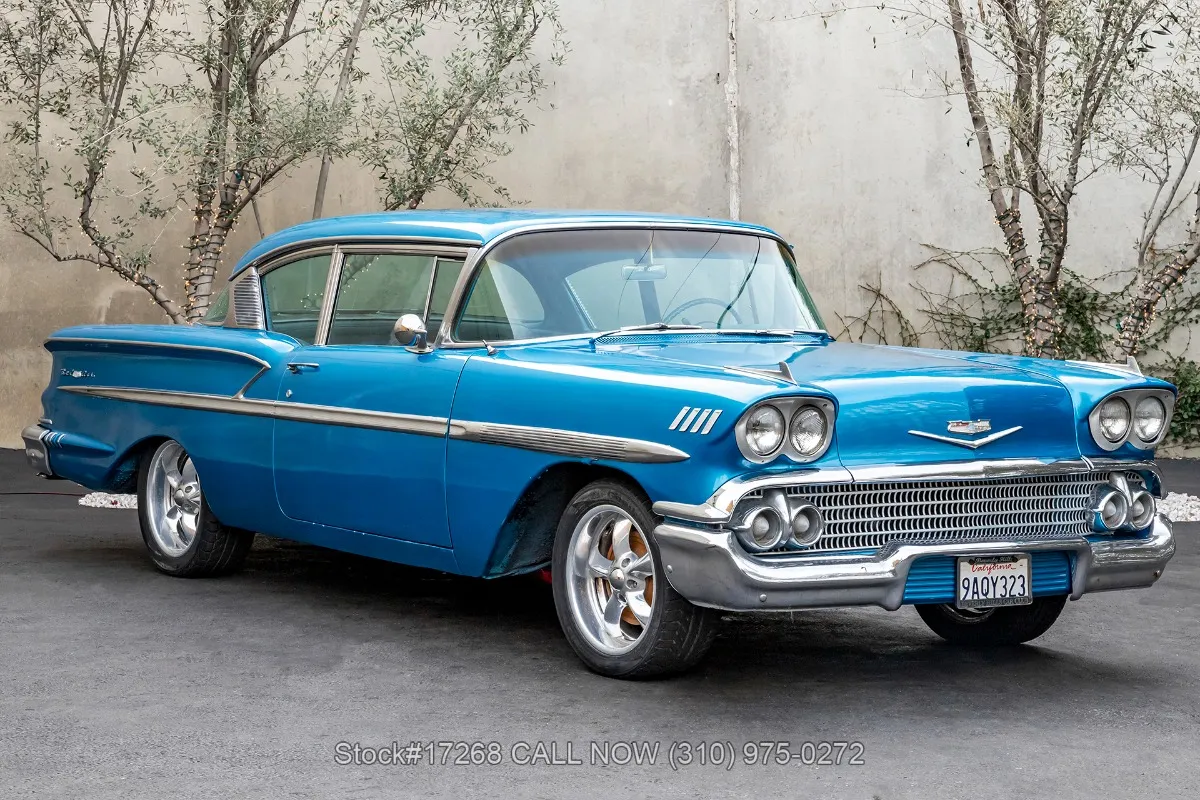 Photo: 1958 Chevrolet Bel Air, via www.beverlyhillscarclub.com
That's not nostalgia talking. That's just how it worked.
When the Local Bank Was the Car Lot's Best Friend
Through much of the postwar era, buying a car on credit was surprisingly civilized. You'd walk into a dealership, pick your vehicle, and then — often the same day — sit down with a loan officer from a local savings bank or credit union who already knew your employer, your neighborhood, and sometimes your father. Character counted as much as credit history, because credit history as we know it today barely existed.
Loan terms typically ran two to three years. Down payments were substantial, often 20 to 30 percent, because both the lender and the borrower understood that a car lost value fast. Interest rates were regulated under state usury laws, which meant lenders couldn't charge whatever the market would bear. The entire transaction was designed around a simple idea: help someone buy transportation they could realistically afford to pay off.
The paperwork fit on a page. The conversation was the underwriting.
Then the Math Started Getting Creative
Things began shifting in the 1970s and accelerated sharply through the 1980s. Deregulation loosened the rules on interest rates. National lenders replaced local ones. Credit scoring — which didn't become standardized until FICO scores arrived in the late 1980s — turned human judgment into an algorithm. And dealerships discovered something important: financing wasn't just a service they offered. It was a profit center.
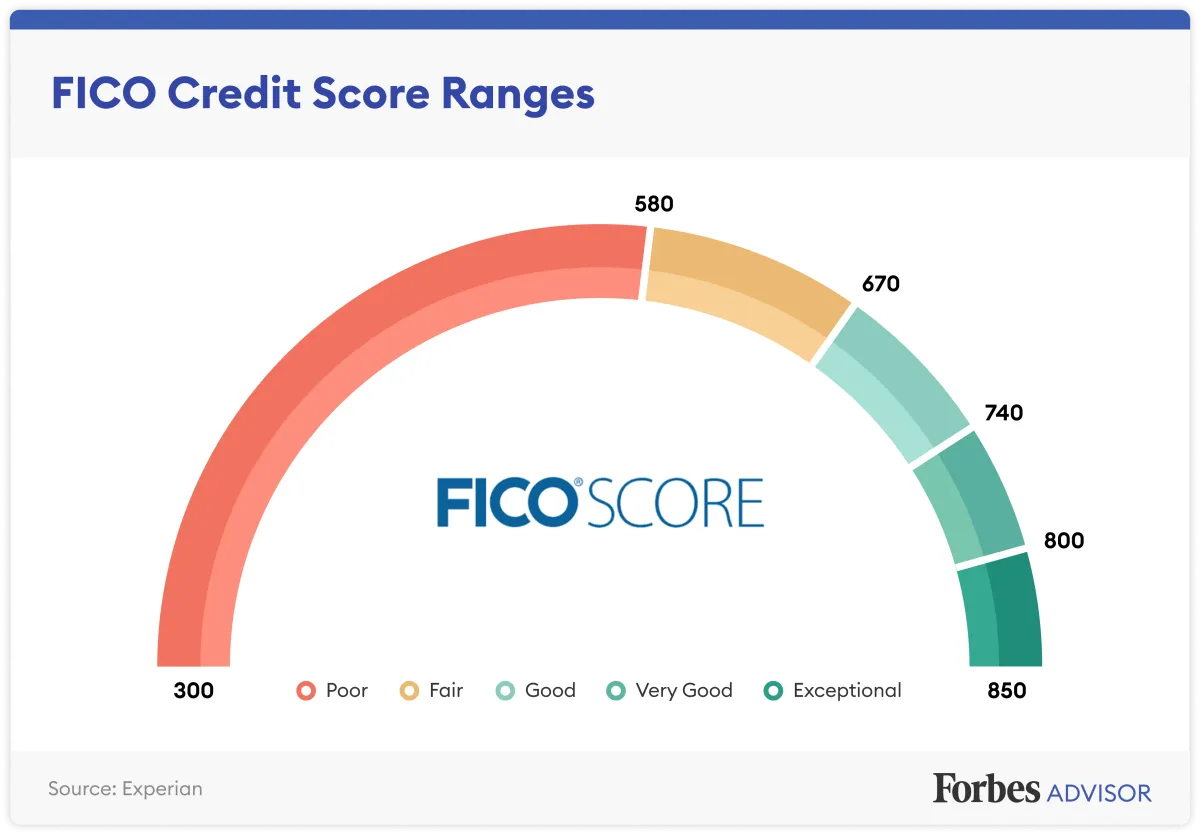 Photo: FICO, via thumbor.forbes.com
The dealer reserve — a practice where dealers mark up the interest rate the lender actually requires and pocket the difference — became standard. A buyer who qualified for a 5 percent loan might be offered 7 percent without ever knowing the gap existed. For years, this practice faced little regulatory scrutiny and even less public awareness.
And then came the add-ons. Extended warranties. Gap insurance. Credit life insurance. Paint protection packages. Tire and wheel coverage. Each one presented at the finance desk after you'd already mentally committed to the car, in a room you were eager to leave, buried inside a payment calculation designed to make an extra $40 a month feel like nothing.
Seven Years to Own Something That Depreciates Daily
The number that tells this story most clearly is loan term length. In 1970, the average new car loan ran about 36 months. By 2000, it had stretched to 60 months. Today, the average new vehicle loan term in America sits at approximately 68 months — nearly six years — and loans of 72 or even 84 months are increasingly common.
Think about what that means. You could be making payments on a vehicle for seven years. A car you bought new will likely be worth less than half its original value by the time you own it outright. And for much of that loan period, you'll owe more than the car is worth — a condition known as being underwater, or upside down — which means trading it in early just rolls negative equity into your next loan.
It's a cycle that keeps people perpetually in debt on depreciating assets, and it's been normalized so completely that most buyers don't question it.
The Average American's Car Payment Would Have Seemed Absurd to Previous Generations
The average monthly new car payment in the United States recently crossed $700. For used vehicles, it's not far behind. When you add insurance, fuel, registration, and maintenance, transportation consumes a significant slice of household income for millions of Americans — often the second-largest expense after housing.
Your grandfather financed a car in an afternoon and paid it off in two and a half years. He probably never thought of his vehicle as a long-term financial obligation. It was a tool he saved for, bought, owned, and eventually replaced.
Today's buyer often trades in a car they don't fully own yet, rolls the remaining debt into a new loan, finances the whole thing over seven years, and signs up for a monthly commitment that rivals rent in many parts of the country.
A Tool That Became a Trap
None of this happened by accident. Longer loan terms made expensive vehicles feel affordable by shrinking the monthly number. Add-on products turned the finance office into one of the most profitable rooms in any dealership. And the normalization of revolving auto debt created a generation of buyers who measure affordability entirely in monthly payments rather than total cost.
Car financing was invented to help ordinary Americans access reliable transportation. That was the original deal. Somewhere along the way, the deal changed — and the terms got a lot better for everyone except the person driving off the lot.
Your grandparents bought a car on a handshake and owned it free and clear within three years. The fact that this now sounds remarkable says everything about how much has quietly shifted.