Layaway Was the Original Buy Now, Pay Later — and It Actually Kept You Out of Debt

Ask anyone over 60 about layaway and you'll get a specific kind of memory. A toy held behind a department store counter. Weekly payments made in cash at a service desk. The ritual of finally picking it up — often just before Christmas — after months of installments. No interest. No fees. Just patience, discipline, and eventually, ownership.
That system, unglamorous as it sounds, kept millions of American households out of debt for decades. What replaced it was considerably more profitable — for someone else.
How America Shopped Before the Card
For most of the twentieth century, ordinary American households operated on a cash-first philosophy. Not because they were especially virtuous, but because the alternatives were limited and the culture around debt was genuinely cautious. Debt was something you took on for a house or, occasionally, a car. Consumer goods — appliances, clothing, furniture, holiday gifts — were saved for, waited on, or put on layaway.
Layaway was everywhere. Sears, Kmart, Woolworth's, Montgomery Ward — every major retailer offered it. The mechanics were simple: you selected an item, paid a small deposit, and the store held it while you made regular payments. When the balance was cleared, you took the item home. If you couldn't finish paying, you got most of your money back. The store carried no risk. You carried no debt.
Store credit existed too — charge accounts at local retailers where trusted customers could take goods and pay at month's end. But these were typically settled in full, not revolved. The idea of carrying a balance month to month and paying interest on everyday purchases was not a normal feature of working-class or middle-class life.
As recently as 1970, total revolving consumer credit in the United States was negligible compared to what it would become. Most households simply didn't operate that way.
The Deregulation Door That Changed Everything
The transformation began with a Supreme Court decision most Americans have never heard of.
In 1978, the Supreme Court ruled in Marquette National Bank v. First of Omaha Service Corp. that a national bank could charge the interest rate permitted by its home state to customers anywhere in the country. Almost immediately, major banks began relocating their credit card operations to states like South Dakota and Delaware, which had either eliminated or dramatically loosened usury laws — the caps that had historically limited how much interest a lender could charge.
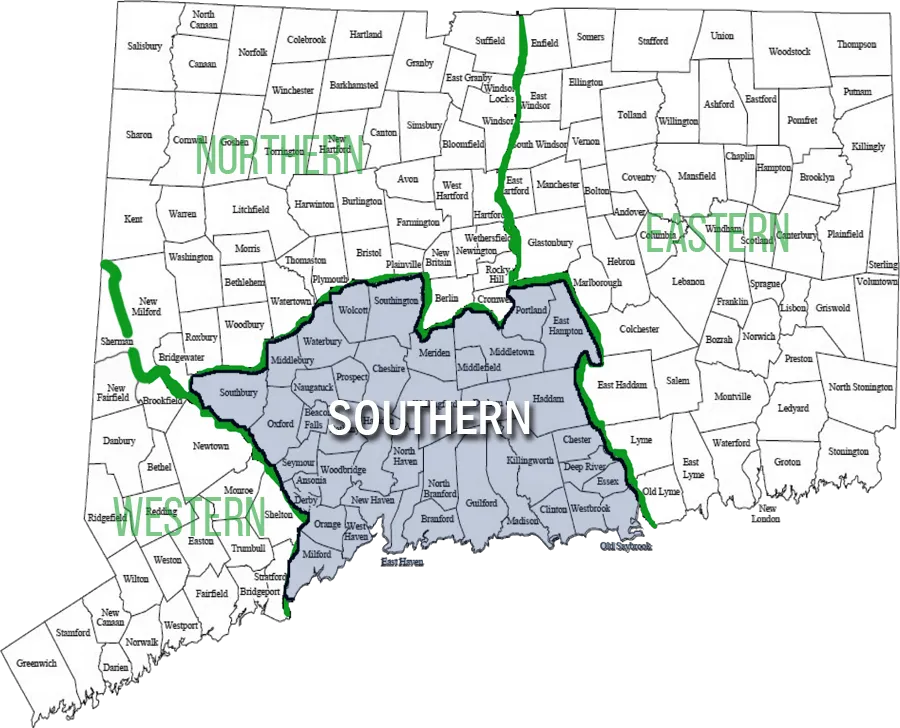 Photo: South Dakota, via cmea.org
South Dakota, facing an economic crisis, removed its interest rate ceiling in 1980. Citibank moved its credit card operations there almost immediately. Other states followed. Other banks followed those banks.
Almost overnight, the interest rate guardrails that had protected American borrowers for generations were gone. Credit card issuers could now charge 18, 20, 24 percent annually — rates that would have been considered predatory, and in many cases illegal, just years earlier. And because the profits were extraordinary, they had every incentive to get as many Americans carrying balances as possible.
The Marketing Campaign That Reframed Debt as Freedom
What followed was one of the most successful cultural rebranding efforts in American history.
Through the 1980s and into the 1990s, credit card marketing systematically repositioned debt. Carrying a balance wasn't a sign of financial stress — it was a sign of a busy, active lifestyle. Credit wasn't a last resort; it was convenience. The responsible saver who waited and used layaway started to look a little square, a little behind the times.
Bank mailers flooded American households with pre-approved offers. Minimum payment structures were designed to keep balances alive as long as possible — paying the minimum on a typical credit card balance could stretch repayment over a decade and cost more in interest than the original purchases. Rewards programs gave people a reason to spend more and feel good about it.
The language shifted too. "Revolving credit" became a financial product. "Carrying a balance" became normal. The concept of paying interest on groceries or clothing — things your grandparents would have found genuinely baffling — was normalized within a single generation.
Where That Leaves Americans Today
The numbers are stark. The average American household carrying credit card debt holds a balance of roughly $6,000 to $8,000, depending on the source and year. Total American credit card debt recently surpassed $1 trillion for the first time in history. The average interest rate on a credit card balance currently sits above 20 percent annually — a rate that compounds aggressively and can turn a manageable balance into a years-long obligation.
For context: a $5,000 balance at 22 percent interest, paid off at the minimum monthly payment, could take more than 15 years to clear and cost thousands in interest alone. The item you put on a credit card years ago — the appliance, the vacation, the emergency car repair — might still be costing you money long after it's been used up, worn out, or forgotten.
Your grandparents' layaway system had a feature modern finance rarely offers: it was structurally impossible to spend money you didn't have. The worst outcome was that you didn't finish paying and got your deposit back. Nobody was charging you 22 percent for the privilege of wanting a television.
The Patience That Got Replaced
Layaway made a minor comeback during the 2008 financial crisis, when credit tightened and consumers rediscovered the appeal of interest-free installment saving. Walmart brought it back. So did Kmart. For a few years, it felt like a genuine cultural correction.
Then "Buy Now, Pay Later" services arrived — Affirm, Klarna, Afterpay — offering the installment structure of layaway but with the item delivered immediately and, in many cases, interest or fees attached. The patience was removed. The debt remained.
The original layaway system asked one thing of you: wait until you can afford it. It turned out that was the part the banks couldn't profit from.