When Patience Was Part of the Purchase: How America Abandoned the Discipline of Layaway
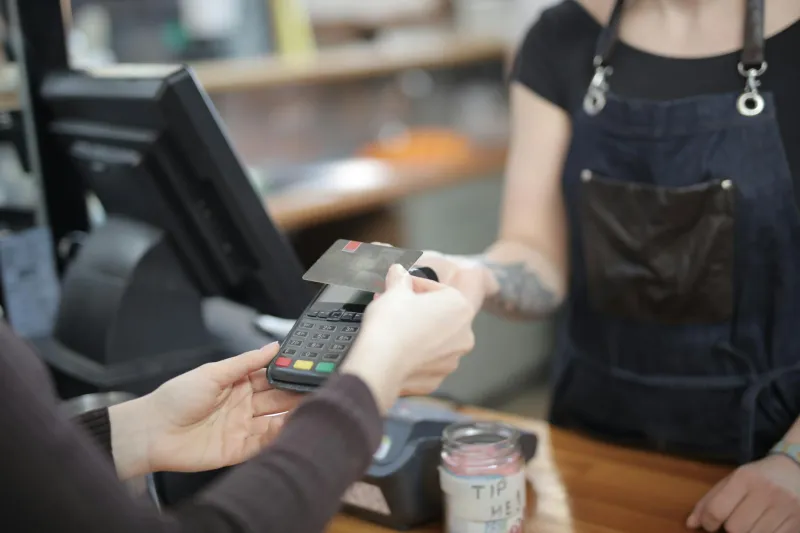
Walk into any major department store today, and you'll find elaborate credit card displays, instant financing offers, and "buy now, pay later" kiosks at every turn. What you won't find is something that once occupied prime real estate in American retail: the layaway counter.
For the better part of a century, layaway was how working families bought everything from winter coats to Christmas presents. The concept was elegantly simple—reserve an item, make payments over weeks or months, and take it home only after paying in full. No interest, no credit checks, just old-fashioned discipline wrapped in retail packaging.
The Golden Age of Delayed Gratification
Layaway reached its zenith in post-war America when department stores like Sears, JCPenney, and Montgomery Ward built their business models around it. Walk into any of these stores in the 1950s or 60s, and you'd find dedicated layaway departments staffed by clerks who knew customers by name and kept handwritten records of their payment progress.
The process had an almost ceremonial quality. Customers would select their items, make a small down payment—usually 10 to 20 percent—and receive a payment booklet. Every few weeks, they'd return to make another payment, often bringing their children along to see the progress toward that special purchase.
Families planned their layaway purchases around the seasons. Back-to-school shopping began in June. Christmas layaway started right after Labor Day. Major appliances went on layaway during spring sales, ready for pickup before summer entertaining season.
More Than Just a Payment Plan
Layaway wasn't merely a financial tool—it was a cultural institution that reinforced values many Americans considered fundamental. The system built anticipation and taught delayed gratification in ways that seem almost quaint by today's standards.
Children learned patience watching their parents make regular payments on a bicycle or dress. The weekly trip to make a layaway payment became a family ritual, complete with discussions about budgeting and the value of working toward a goal.
Retailers loved layaway because it guaranteed sales and provided steady cash flow. Customers appreciated avoiding debt while securing items they wanted. The arrangement worked because both sides understood the implicit contract: patience in exchange for financial security.
The Credit Revolution Changes Everything
The decline of layaway didn't happen overnight. It began in the 1980s as credit cards became more accessible and socially acceptable. Where previous generations viewed debt with suspicion, younger Americans embraced credit as a tool for achieving their desires immediately.
Retailers noticed the shift in consumer behavior. Why tie up inventory for months when customers could buy instantly with credit? The math was compelling: credit card transactions meant immediate payment from banks, while layaway required storage space and administrative overhead.
By the 1990s, major retailers began quietly phasing out their layaway programs. Walmart discontinued layaway in 2006, though public outcry forced them to bring back a limited version during holiday seasons. Target eliminated layaway entirely, never to return.
The Buy Now, Pay Later Revolution
Today's "buy now, pay later" services like Klarna, Afterpay, and Affirm seem similar to layaway, but they represent a fundamental philosophical shift. Where layaway required saving up front and waiting for gratification, BNPL offers instant possession with payments spread over time.
This difference matters more than it might initially appear. Layaway taught budgeting discipline because customers had to plan ahead and save incrementally. BNPL encourages impulse purchases by removing the friction of immediate payment.
The numbers tell the story: Americans now carry an average of $6,194 in credit card debt, while BNPL usage has exploded 1,000 percent since 2019. The patience that layaway required has been replaced by algorithms designed to make spending as frictionless as possible.
What We Lost in Translation
The disappearance of layaway represents more than just a change in payment methods—it reflects a broader transformation in how Americans relate to money and consumption. The old system built natural guardrails against overspending. You couldn't put more on layaway than you could reasonably pay off, and the extended payment process provided multiple opportunities to reconsider purchases.
Modern alternatives remove these built-in moments of reflection. BNPL apps approve purchases in seconds, often without traditional credit checks. The result is a generation of consumers who've never experienced the discipline of saving up for purchases.
The Unexpected Return
Interestingly, some retailers have quietly reintroduced layaway programs, recognizing that certain customers prefer the old-school approach. Walmart's holiday layaway program returns each year, while smaller retailers have discovered that offering layaway can differentiate them from credit-dependent competitors.
These modern layaway programs often blend old and new approaches—online management systems paired with traditional payment structures. But they serve a much smaller market than their predecessors, appealing mainly to customers who consciously choose to avoid credit.
The transformation from layaway to instant credit reveals how dramatically American consumer culture has changed. We've traded the discipline of delayed gratification for the convenience of immediate satisfaction, often without fully considering what that exchange cost us. In losing layaway, we didn't just lose a payment method—we lost a cultural practice that taught millions of Americans the value of patience, planning, and living within their means.