When Grocery Shopping Took 15 Minutes: How America Fell in Love with Too Many Choices
The Simple Saturday Morning Trip
In 1955, Margaret Thompson could walk into her neighborhood A&P grocery store in Cleveland, Ohio, and emerge 15 minutes later with everything her family needed for the week. The store carried roughly 3,000 different products, neatly arranged in predictable aisles. Cereal? Three brands, maybe four varieties total. Shampoo? Two options: regular or dry hair. Bread? White, wheat, or rye.
Margaret never experienced what psychologists now call "decision fatigue" because there simply weren't enough decisions to make.
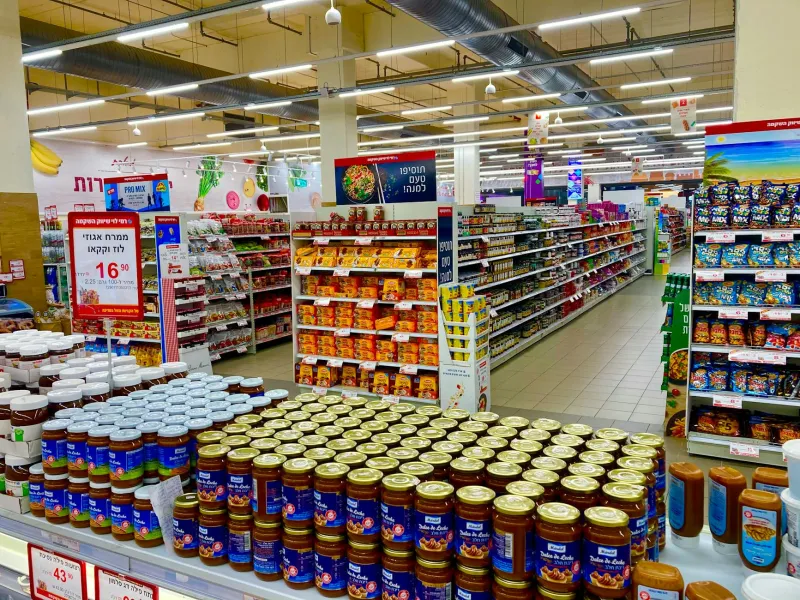
Fast-forward to today, and the average American supermarket stocks between 40,000 and 50,000 different products. That's more than a thirteen-fold increase in options. Walk down the cereal aisle at any modern grocery store and you'll face 300+ varieties from dozens of brands. The shampoo section offers solutions for oily hair, dry hair, color-treated hair, curly hair, straight hair, and combinations thereof.
When More Became the Goal
This explosion didn't happen overnight. In the 1960s, American grocery stores began expanding as suburbs grew and car ownership made larger shopping trips practical. Retailers discovered that offering more variety kept customers in their stores longer and spending more money.
The turning point came in the 1980s when computerized inventory systems made it feasible to track thousands of products simultaneously. Suddenly, store managers could stock 47 different types of breakfast cereal without losing their minds trying to manage inventory by hand.
Food manufacturers responded by creating endless variations of existing products. Why make just one type of Oreo cookie when you could make Golden Oreos, Double Stuf Oreos, Mint Oreos, Birthday Cake Oreos, and seasonal limited editions? Each variation occupied precious shelf space and generated additional revenue.
The Hidden Cost of Choice
What seemed like progress had an unexpected side effect: shopping became work.
Research by Columbia Business School professor Sheena Iyengar found that when shoppers face too many options, they often make worse decisions or avoid deciding altogether. Her famous "jam study" showed that customers were 10 times more likely to purchase jam when offered 6 varieties instead of 24.
Modern grocery shopping now requires strategy guides. Entire websites exist to help people navigate the overwhelming array of options. Americans spend an average of 43 minutes per grocery trip, compared to the 15-20 minutes their grandparents needed.
The Psychology of the Overwhelmed Shopper
Dr. Barry Schwartz, author of "The Paradox of Choice," explains that excessive options create three problems: anxiety about making the wrong choice, regret about paths not taken, and escalating expectations that lead to disappointment.
Consider the simple act of buying pasta sauce. In 1960, you chose between Ragu or Hunt's. Today, you face dozens of brands, each offering multiple varieties: marinara, meat sauce, mushroom, four-cheese, roasted garlic, organic, low-sodium, sugar-free, and specialty regional styles. What used to be a two-second decision now requires comparative analysis.
Following the Money
This choice explosion comes with real financial consequences. Grocery stores stock more products because variety drives profits. Premium and specialty items command higher margins than basic staples. That artisanal organic tomato sauce costs three times more than the standard version, but the store makes significantly more profit per jar.
Americans now spend 12.9% of their income on food, compared to 17.5% in 1960. However, we're spending more time and mental energy acquiring that food. The hidden cost isn't just financial—it's psychological and temporal.
Retailers have also discovered that overwhelmed shoppers make impulse purchases more frequently. When your brain is exhausted from choosing between 23 types of yogurt, you're more likely to grab that candy bar at checkout without thinking.
The Paradox of Abundance
Perhaps most remarkably, studies suggest that people weren't less satisfied with their grocery shopping in the 1950s. Despite having fewer options, shoppers reported similar levels of satisfaction with their purchases. They adapted their expectations to available choices and moved on with their lives.
Today's shoppers, despite having access to products from around the world year-round, often feel frustrated and overwhelmed by their grocery experience. We gained variety but lost simplicity.
Finding Balance in the Aisles
Some retailers are recognizing that more isn't always better. Trader Joe's built a successful business model around curated selection—offering just one or two high-quality options in each category instead of dozens of mediocre ones. Their stores stock roughly 4,000 products, closer to 1950s levels, yet customers report high satisfaction.
Amazon's acquisition of Whole Foods and subsequent experiments with automated grocery stores suggest the future might involve technology that helps narrow choices rather than expand them.
The Simple Truth About Progress
The transformation of American grocery shopping reveals something profound about progress itself. Having more options isn't automatically better—it's just different, with its own set of trade-offs.
Your grandmother's 15-minute grocery trips weren't a sign of limited choice but of focused priorities. She knew what her family needed, found it quickly, and moved on to more important things. Maybe that's not such a bad model after all.
The next time you find yourself paralyzed in the cereal aisle, remember: Margaret Thompson fed her family just fine with four options. Sometimes the most remarkable change is learning when enough is actually enough.