When Buying a Car Was as Simple as a Saturday Morning Stroll
When Buying a Car Was as Simple as a Saturday Morning Stroll
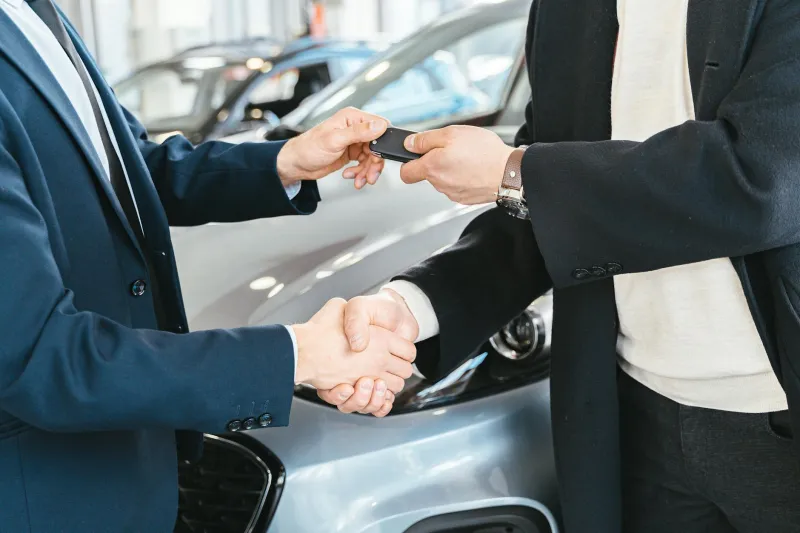
Picture this: It's 1975, and you need a new car. You wake up Saturday morning, grab some coffee, and drive down to Miller's Chevrolet on Main Street. By lunch, you're driving home in a brand-new Impala, having spent maybe two hours total on the entire transaction. No credit pre-approval. No online research. No extended warranty debates. Just a handshake with Bill Miller, who sold your dad his last three cars.
That world seems almost fictional today, but for most of the twentieth century, buying a car really was that straightforward. The transformation of this everyday American ritual reveals something profound about how we've traded simplicity for choice, and personal relationships for supposedly better deals.
The Golden Age of the Neighborhood Car Dealer
In the post-war boom, car buying operated on a completely different model. Your local dealership was exactly that—local. The owner lived in your town, sponsored the Little League team, and probably went to the same church as half his customers. When you walked onto his lot, he knew your family's history with cars, your budget constraints, and what would work for your lifestyle.
The inventory was limited but sufficient. A typical Chevy dealer might have had thirty cars on the lot, representing maybe six different models in a handful of colors. You picked what you liked, negotiated a price based on what your neighbor paid last month, and either wrote a check or arranged simple financing through the dealer's preferred bank.
Most remarkably, the entire process happened face-to-face in a single visit. There were no credit checks to wait for, no online reviews to research, no competing quotes from dealers three states away. You made your decision based on the car in front of you and your trust in the person selling it.
When Relationships Trumped Research
The social dynamics of car buying were fundamentally different. Your dealer's reputation lived and died in a small community where word traveled fast. If Bill Miller sold you a lemon or charged you unfairly, everyone at the diner would know by Tuesday. This created a natural system of accountability that didn't require Better Business Bureau ratings or Yelp reviews.
Customers, in turn, developed loyalty that seems almost quaint today. Families would buy from the same dealer for generations, creating relationships that went far beyond transactions. Your dealer might call when new models arrived, remember your anniversary, or even extend credit during tough times based on nothing more than knowing your character.
This system worked because both sides had skin in the game. Dealers needed repeat customers and referrals to survive in small markets. Buyers needed someone they could trust for service, parts, and future purchases. It was a closed loop that encouraged honest dealing on both sides.
The Digital Revolution Changes Everything
The internet didn't just add options to car buying—it completely rewrote the rules. Suddenly, buyers could research every model, compare prices across hundreds of dealers, read thousands of reviews, and arrive at dealerships armed with printouts showing exactly what everyone else paid.
This transparency came with a price. The simple Saturday morning car purchase became a weeks-long research project. Today's typical buyer visits multiple websites, reads dozens of reviews, gets pre-approved for financing, obtains quotes from several dealers, and still might not feel confident about their decision.
The relationship between buyer and seller fundamentally shifted. Instead of trusting a known quantity, buyers learned to verify everything independently. Dealers, facing informed customers and online price competition, had to develop new strategies to maintain margins—enter the extended warranty, paint protection packages, and financing add-ons that can turn a straightforward purchase into a complex negotiation.
What We Gained and What We Lost
Today's car buying process offers undeniable advantages. Buyers have access to safety ratings, reliability data, and price comparisons that would have been impossible in 1975. Online financing can offer better rates than dealer financing, and the ability to shop nationwide means you're not limited to whatever happens to be on your local lot.
But something essential was lost in translation. The human element that once made car buying a community experience has largely disappeared. Most buyers today couldn't tell you their salesperson's name a week after the purchase. The relationship that once extended through years of service and future purchases now ends when the paperwork is signed.
The time investment has also exploded. What once took a morning now consumes weeks of research, multiple dealership visits, and endless second-guessing. The paradox of choice has turned buying a car from a decisive moment into an anxiety-inducing process.
The Unexpected Return of the Old Ways
Interestingly, some aspects of the old model are making a comeback. Direct-to-consumer brands like Tesla have eliminated traditional dealerships entirely, returning to a simpler, more transparent pricing model. Online car buying services promise to recreate the simplicity of the old days, just with digital tools instead of handshakes.
Even traditional dealers are recognizing that many customers crave the simplicity their grandparents enjoyed. Some now offer "one-price" models that eliminate negotiation, while others focus on building long-term relationships rather than maximizing individual transactions.
The Price of Progress
The transformation of car buying reflects a broader shift in American commerce. We've gained access to information, choice, and competitive pricing, but we've lost the simplicity and human connection that once made major purchases feel manageable rather than overwhelming.
Whether this trade-off was worth it depends on what you value more: the efficiency of knowing you got the best possible deal, or the peace of mind that came from trusting someone who had a stake in your satisfaction long after you drove off the lot.
One thing is certain: your grandfather's Saturday morning car purchase, complete with handshake and same-day keys, represents a fundamentally different way of doing business—one that's as foreign to today's buyers as online research would have been to him.