The $50,000 Starter Home That Built America's Middle Class Has Vanished Forever
The $50,000 Starter Home That Built America's Middle Class Has Vanished Forever
In 1978, Janet worked as an elementary school teacher making $12,000 a year. Her husband Mike earned $14,000 as an auto mechanic. Together, they bought their first home—a modest three-bedroom ranch in suburban Minneapolis—for $48,000. Within five years, they'd built enough equity to trade up to a larger house in a better school district.
Today, that same couple would need to earn over $120,000 combined just to afford what's considered a "starter home" in most American cities. Except here's the problem: true starter homes don't really exist anymore.
When Small Houses Made Big Dreams Possible
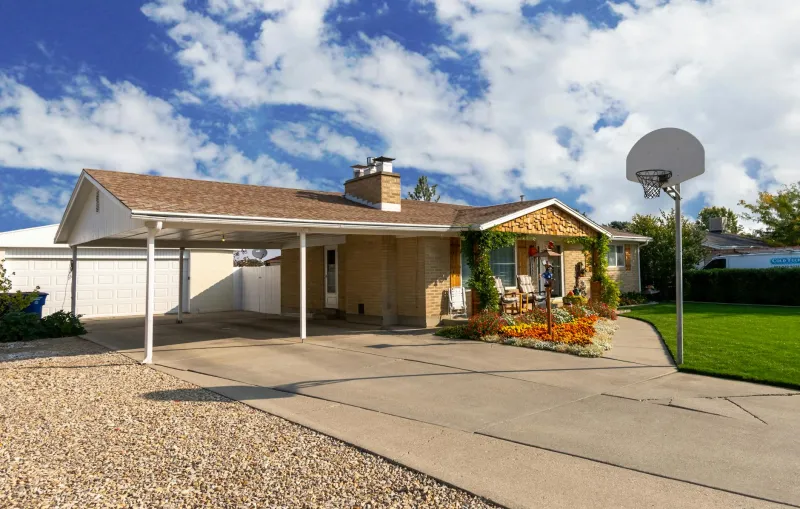
The starter home wasn't just a real estate category—it was the foundation of American middle-class wealth building. These were typically small houses: 900 to 1,200 square feet, two or three bedrooms, one bathroom, built on modest lots in neighborhoods filled with other young families taking their first step onto the property ladder.
In 1980, the median starter home cost about 2.5 times the median household income. A couple earning $20,000 could realistically save for a down payment within two or three years while renting. The monthly mortgage payment, including taxes and insurance, typically ran around $400—manageable on a middle-class salary.
These homes weren't fancy. They had small kitchens, cramped bathrooms, and minimal storage. But they offered something invaluable: a foothold in the real estate market. Every month, part of that mortgage payment built equity instead of disappearing into a landlord's pocket.
The Squeeze That Changed Everything
Somewhere between 1990 and 2010, the starter home began disappearing from American neighborhoods. Multiple forces converged to eliminate this crucial first step of homeownership.
Zoning laws increasingly prohibited the construction of small, affordable homes. Many municipalities established minimum square footage requirements—often 1,500 square feet or more—that priced out entry-level buyers. The logic seemed reasonable: larger homes meant higher property values and more tax revenue. But it also meant young families had nowhere to start.
Construction economics shifted dramatically. Builders discovered they could make more profit on larger homes, even if they sold fewer of them. Why build ten $150,000 houses when you could build five $400,000 houses on the same amount of land and make more money with less hassle?
When Investors Became the Competition
By 2010, another player entered the starter home market: investors. Large investment firms began purchasing small, affordable homes in bulk, converting them to rental properties. What had once been the natural domain of first-time buyers became investment inventory.
In cities like Atlanta, Phoenix, and Las Vegas, investors snapped up thousands of modest homes that would have traditionally gone to young families. These companies could pay cash, close quickly, and outbid families who needed financing. The starter home market effectively vanished overnight in many neighborhoods.
The New Math of First-Time Buying
Today's first-time buyers face mathematics that would have seemed impossible to previous generations. In 1985, a teacher earning the median teacher's salary could afford the median home price in most American cities. Today, that same teacher would need to earn twice the median salary to afford what's now considered an "entry-level" home.
The average "starter home" in 2024 costs around $350,000 nationally—and that's if you can find one. In major metropolitan areas, anything under $500,000 gets multiple offers within days, often from cash buyers.
For a couple earning $80,000 combined, saving a 10% down payment on a $350,000 house means setting aside $35,000—roughly 44% of their gross income. Even if they could save 20% of their income (an optimistic scenario), it would take nearly four years to accumulate that down payment, assuming home prices didn't continue rising.
What We Lost When the Ladder Broke
The disappearance of starter homes didn't just make homeownership harder—it fundamentally altered how Americans build wealth. Previous generations used modest first homes as stepping stones, building equity that enabled them to trade up every five to seven years.
This progression created a natural wealth-building cycle. Buy small, build equity, trade up, repeat. By their forties, many families owned substantial homes with significant equity that could fund their children's education or their own retirement.
Today's buyers often skip this progression entirely. They rent longer, save more, and try to buy their "forever home" on the first attempt. This approach requires larger down payments, higher incomes, and often results in decades of delay.
The Ripple Effect Across Generations
When starter homes disappeared, the effects cascaded across generations. Young adults who can't buy homes continue living with parents or remain renters well into their thirties. Parents who might have downsized to smaller homes find no suitable options, so they stay in large family homes longer.
The traditional housing lifecycle—small apartment, starter home, family home, retirement home—has been disrupted. Many Americans now jump directly from renting to purchasing homes that would have been considered move-up properties for previous generations.
A Foundation That Can't Be Rebuilt
The starter home represented more than just affordable housing—it was a social and economic institution that enabled middle-class wealth building. Its disappearance has left millions of Americans locked out of homeownership and the wealth-building opportunities that come with it.
Unlike many changes we explore, this transformation seems particularly difficult to reverse. The land where modest homes once stood now holds larger, more expensive houses. The zoning laws that eliminated small homes remain in place. The construction industry has adapted to building bigger, pricier homes.
For the first time in American history, homeownership rates are declining among young adults not because they don't want to buy homes, but because the first rung of the property ladder has simply been removed. The starter home that built America's middle class has become as obsolete as the pension plan—a relic of an economy that offered different opportunities to different generations.