When Everyone Watched the Same Thing: How America's Shared Story Became a Million Private Screens
Every Saturday night in 1962, the Regal Theater on Elm Street would pack 400 people into red velvet seats to watch the same movie at the same time. For a quarter, you got two hours of entertainment, a shared experience with your neighbors, and something even more valuable that nobody realized they were getting: a common cultural language.
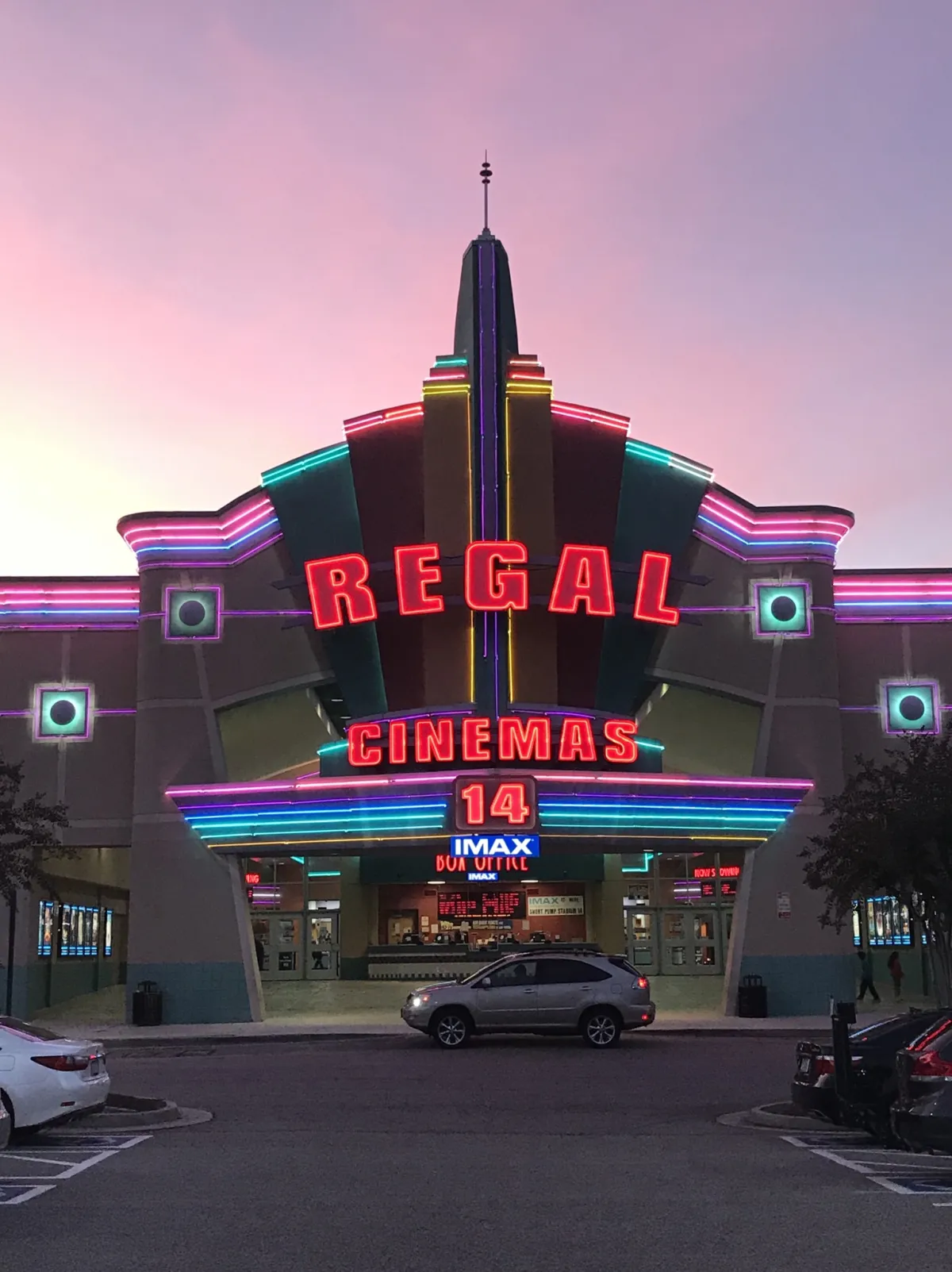 Photo: Regal Theater, via upload.wikimedia.org
Today, with 300+ streaming platforms and infinite viewing options, we've gained unprecedented choice but lost something that seemed worthless until it vanished entirely.
The Economics of Everyone
That 25-cent ticket in 1962 equals about $2.50 today — less than most Americans spend on a single cup of coffee. For that price, you didn't just get entertainment. You got air conditioning in the summer, heating in the winter, and a social gathering place that welcomed everyone from the bank president to the grocery clerk's kids.
Neighborhood theaters weren't just businesses; they were community infrastructure. The Bijou, the Palace, the Rex — every American town had at least one, and bigger cities had dozens. These weren't the massive multiplexes of the 1980s or the luxury recliners of today's cinema. They were single-screen venues that showed one movie at a time, creating a shared viewing schedule for entire communities.
The economics worked because everyone went. Families made movie night a weekly ritual. Teenagers used theaters as supervised social spaces. Even adults who rarely socialized elsewhere would nod to neighbors in the lobby and discuss the film afterward.
When everyone in town had seen the same three movies that month, cultural references worked automatically. Comedians could reference movie scenes knowing their entire audience would get the joke. Water cooler conversations had common ground. America had a shared vocabulary that required no explanation.
The Ritual of Gathering
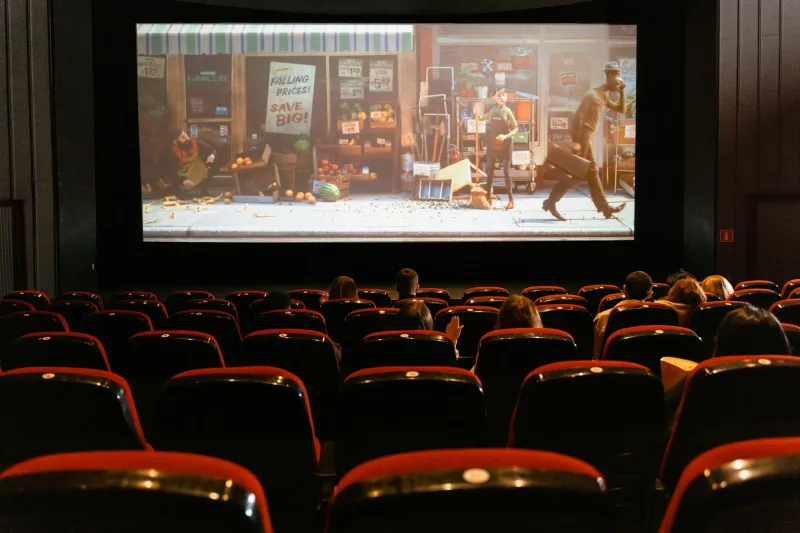
Modern Americans who grew up with home video might not grasp how different the theater experience once was. You couldn't pause for bathroom breaks, rewind confusing scenes, or check your phone during boring parts. The movie started at 7:30 PM whether you were ready or not, and everyone in the theater experienced every moment together.
That forced synchronization created something psychologists now recognize as "collective effervescence" — the energy that emerges when groups of people share intense experiences simultaneously. Entire theaters would gasp at plot twists, laugh at the same jokes, and sit in stunned silence during dramatic moments.
The lobby afterward buzzed with immediate reactions. People who might never speak otherwise would find themselves debating whether the ending made sense or arguing about which actor stole the show. These weren't formal discussions — they were spontaneous community conversations sparked by shared experience.
Children learned social viewing etiquette: when to laugh, when to stay quiet, how to react appropriately to different types of scenes. They absorbed cultural values and social norms not through lectures but through collective reactions to stories playing out on screen.
When Choice Meant Scarcity
The neighborhood theater typically showed one movie for a full week, sometimes longer for popular films. This scarcity created anticipation that modern abundance can't replicate. People would line up for opening night, discuss whether to see the film early or wait for reviews, and plan their week around showtimes.
Limited options meant higher stakes for every choice. Studios couldn't rely on niche audiences or algorithm-driven recommendations. Every film had to appeal broadly enough to fill seats in Topeka and Tampa, creating entertainment that aimed for the widest possible common denominator.
This produced movies that weren't necessarily better, but they were certainly more universal. Films like "The Sound of Music," "Butch Cassidy and the Sundance Kid," and "The Sting" became cultural touchstones not because they were perfect, but because literally everyone saw them.
The Streaming Revolution's Hidden Cost
Today's entertainment landscape offers miraculous convenience. Netflix alone provides more viewing options than a 1960s American could access in a lifetime. We can watch anything, anywhere, anytime, customized to our exact preferences.
But this abundance created an unexpected problem: cultural fragmentation.
When your coworker mentions a show they're binge-watching, there's a good chance you've never heard of it. When late-night talk show hosts make references to current entertainment, they can't assume their audience shares common viewing experiences. Even major "cultural events" like Emmy-winning series often reach smaller audiences than obscure network shows did in the 1970s.
The algorithm-driven nature of modern streaming means that even people watching the same platform see completely different content recommendations. Netflix shows different movies to different users based on viewing history, creating personalized entertainment bubbles that rarely overlap.
This shift happened so gradually that most people didn't notice the cultural conversation changing. But try explaining a movie reference from your childhood to someone ten years younger, or finding a current TV show that literally everyone has watched. The shared cultural vocabulary that Americans once took for granted has quietly evaporated.
What We Gained and Lost
The transformation from communal to individual entertainment brought undeniable benefits. We can pause movies for life's interruptions, rewatch favorite scenes, and discover content perfectly matched to our interests. Parents don't have to negotiate with children over what to watch. Couples can pursue different entertainment preferences without conflict.
Streaming also democratized content creation. Stories that would never have reached neighborhood theater screens now find their audiences through specialized platforms. Niche communities can access entertainment that speaks directly to their experiences.
But we lost something that seemed trivial until it was gone: the ability to assume shared cultural experiences. The casual references, the collective memories, the common ground that entertainment once provided for strangers who happened to live in the same place.
The Loneliness of Infinite Choice
Perhaps most surprisingly, unlimited entertainment options often leave people feeling more isolated than the limited choices of the past. Decision fatigue from scrolling through hundreds of options can make choosing what to watch feel like work rather than relaxation.
The neighborhood theater eliminated choice anxiety entirely. You went to see whatever was playing, and you experienced it with people from your community. That forced shared experience created connections that transcended individual preferences.
Modern entertainment is undeniably more convenient, more diverse, and more responsive to individual tastes. But convenience isn't the same thing as community, and personalization isn't the same thing as shared culture.
We gained the ability to watch exactly what we want, exactly when we want it. We lost the experience of discovering what we might enjoy when we watch it together with everyone else.