When America Lost Its Lunch Hour: How the Midday Meal Became a Five-Minute Afterthought
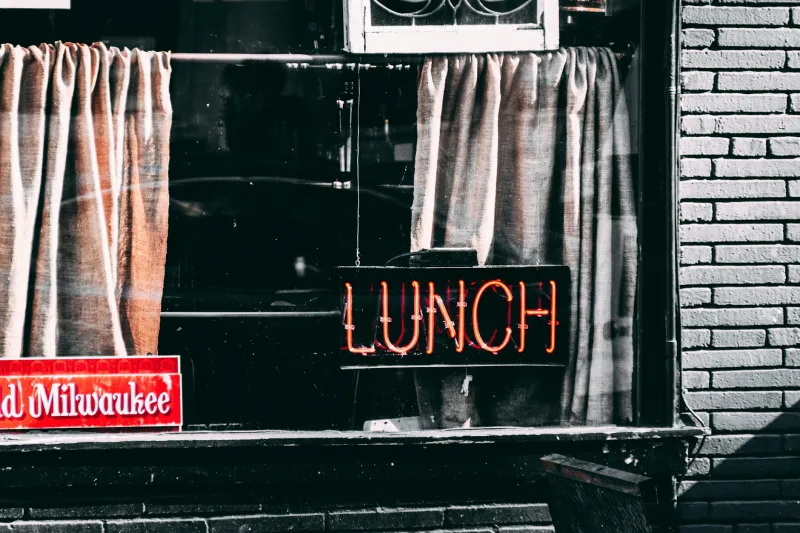
When America Lost Its Lunch Hour: How the Midday Meal Became a Five-Minute Afterthought
Picture this: It's 1965, and the office clock strikes noon. Typewriters fall silent. Phones stop ringing. Workers push back from their desks, grab their coats, and head out for lunch. Not to grab something quick — but for a proper hour-long break. They might walk to the corner diner, drive home to eat with family, or gather with colleagues at a nearby restaurant. The idea of eating a sandwich while answering phone calls would have seemed not just unprofessional, but downright bizarre.
Fast forward to today, and that scene feels like science fiction. The American lunch break hasn't just shortened — it's virtually disappeared. What happened to transform one of the most sacred parts of the workday into an optional afterthought?
The Golden Age of the Lunch Break
For most of the 20th century, the lunch hour was exactly that — an hour. Labor unions had fought hard to establish this midday respite, and it became as fundamental to work culture as the weekend. Companies didn't just tolerate lunch breaks; they built their schedules around them.
Restaurants near office districts thrived on the predictable noon rush. Diners featured "businessman's lunch" specials. Department stores opened tea rooms specifically for the shopping-and-lunch crowd. Even blue-collar workers had designated lunch periods where the assembly line stopped and workers gathered in company cafeterias or headed home.
The ritual extended beyond just eating. Lunch was social time — a chance to decompress, catch up with colleagues, or simply sit quietly with a newspaper. Many workers lived close enough to their jobs to actually go home for lunch, a practice that seems almost quaint today.
The Slow Erosion Begins
The decline didn't happen overnight. In the 1980s and 90s, as American business culture became increasingly competitive, the lunch hour started feeling like a luxury companies couldn't afford. The rise of the "power lunch" — business meetings disguised as meals — marked the beginning of the end for lunch as true downtime.
Technology accelerated the change. Email meant urgent messages could arrive at any moment. Cell phones made workers perpetually reachable. The concept of being "off" during lunch began to feel irresponsible rather than necessary.
By the early 2000s, many companies had quietly stopped scheduling meetings around lunch hours. The message was clear: if you wanted to take a full hour, you could, but you might miss something important.
The Birth of Desk Dining
Today's lunch "break" would be unrecognizable to workers from just a generation ago. According to recent surveys, the average American lunch lasts just 30 minutes, and many workers don't take even that. Instead, they've mastered the art of one-handed eating while typing, turning their keyboards into crumb collectors and their monitors into dining companions.
The rise of food delivery apps has made this even easier. Why leave the office when lunch can arrive at your desk in 20 minutes? The convenience is undeniable, but it's also eliminated one of the last natural breaks in the workday.
Office refrigerators now overflow with sad desk salads and leftover pasta containers. The microwave has become the most popular "restaurant" in America's workplaces. Water cooler conversations happen while people heat up their meals, multitasking even their socializing.
What We Lost When Lunch Disappeared
The disappearance of the lunch break represents more than just a scheduling change — it's a fundamental shift in how Americans think about work and life balance. The old lunch hour served as a natural reset button for the day. It provided mental space, physical movement, and social connection.
Nutritionists point out that eating while distracted — scrolling emails, attending virtual meetings, or rushing through tasks — affects digestion and satisfaction. When lunch becomes just fuel rather than a meal, people often eat more throughout the day, seeking the satisfaction they missed during their hurried midday consumption.
The social costs are equally significant. Office relationships that once developed over shared meals now struggle to form. The informal mentoring that happened during lunch conversations has largely moved online or disappeared entirely.
The Productivity Paradox
Ironically, research suggests that skipping proper lunch breaks actually decreases afternoon productivity. Workers who take real breaks — away from their desks, preferably outside — return more focused and creative. But this evidence fights against decades of cultural conditioning that equates constant availability with dedication.
Some progressive companies are trying to bring back the lunch break, creating dedicated eating spaces without WiFi or installing "no meeting" policies during lunch hours. But these efforts feel like swimming against a powerful cultural current.
A Different Way Forward
The transformation of lunch from a protected hour to a grabbed moment reflects broader changes in American work culture. We've traded the rhythm of clear work and rest periods for the always-on availability that technology makes possible.
Your grandparents would find today's lunch habits as foreign as we might find their habit of dressing up for airplane travel. The question isn't whether we can return to the three-martini lunch of the Mad Men era — we can't and probably shouldn't. But understanding what we've lost might help us figure out what's worth reclaiming.
Somewhere between the leisurely two-hour French lunch and the five-minute protein bar scarfed down between Zoom calls, there might be a middle ground that honors both productivity and humanity. The first step is recognizing that the disappearance of the lunch break wasn't inevitable — it was a choice, and like any choice, it can be reconsidered.