The 6:30 Ritual That United America
Every weeknight at 6:30 PM, something remarkable happened across America. In living rooms from Maine to California, families gathered around their television sets to watch one of three men — Walter Cronkite, Tom Brokaw, or Peter Jennings — deliver the news. By 7:00 PM, roughly 50 million Americans had received essentially the same version of what happened in the world that day.
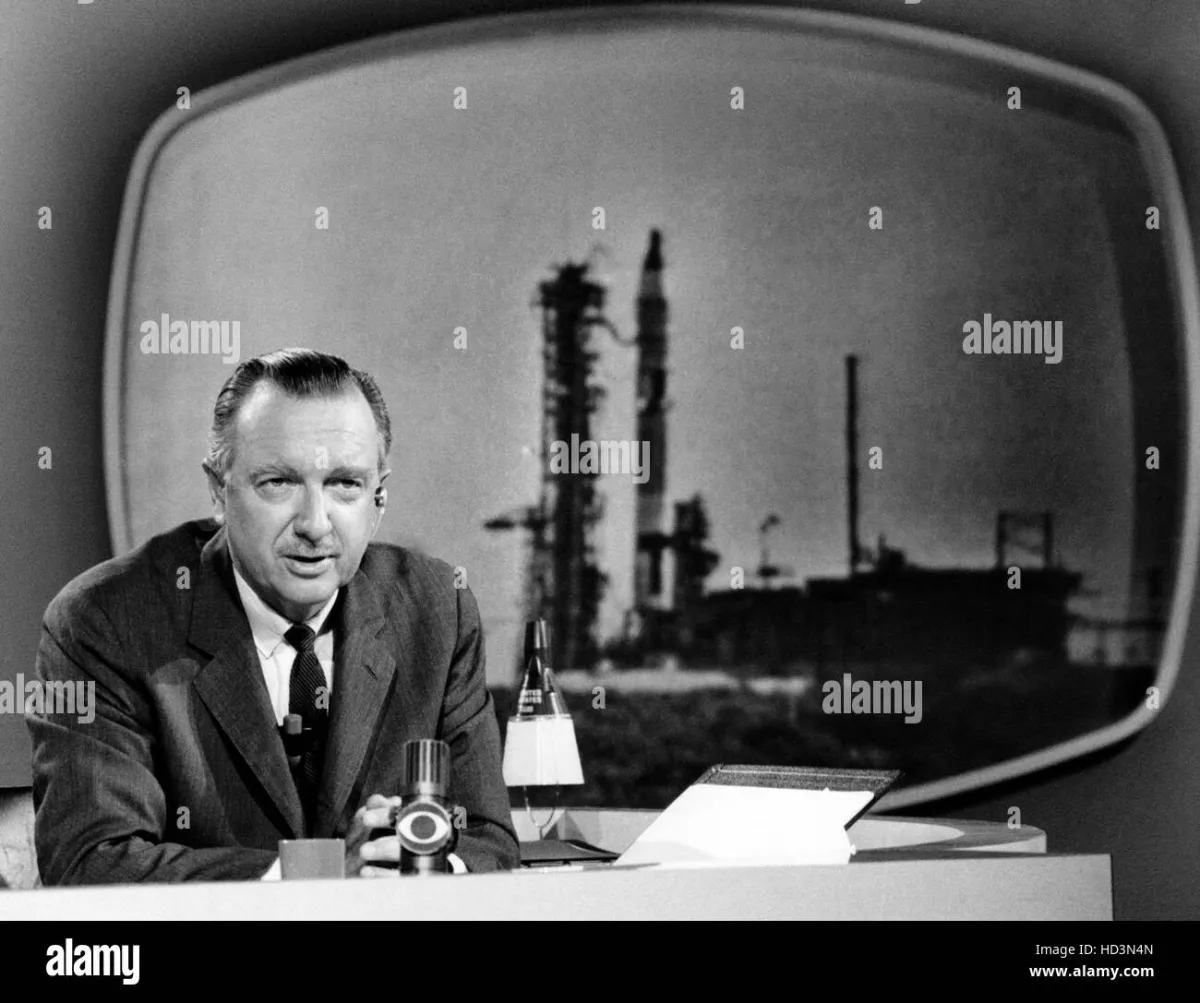 Photo: Walter Cronkite, via c8.alamy.com
This wasn't just television programming — it was the last time in American history that the entire country shared a common factual starting point for understanding current events. The consequences of losing that shared reality have been far more profound than anyone anticipated.
When Three Channels Meant Three Versions of the Same Story
In 1980, the three broadcast networks commanded 90% of the television audience during evening news hours. ABC, CBS, and NBC didn't offer dramatically different perspectives on events — they offered different presentations of the same basic facts. Competition existed, but it centered on presentation, not on fundamentally different versions of reality.
This wasn't because journalists were less partisan or more objective than today. It was because the economics of broadcast television required appealing to the broadest possible audience. Extreme viewpoints alienated viewers, so networks gravitated toward the center, creating a natural moderating force in American media.
The result was a form of journalistic consensus that, while imperfect, provided Americans with a shared foundation for democratic discourse. People might disagree about what the facts meant, but they generally agreed on what the facts were.
The Geography of Information
Before cable television and the internet, geography determined your media diet. Americans in different regions received the same national news but different local coverage, creating regional variations within a national framework. A factory closure in Detroit was national news; a school board election was local news. This hierarchy helped people understand the difference between issues of broad importance and those of local concern.
Newspapers operated under similar constraints. Most cities had competing papers, but even they shared wire services and generally covered the same major stories. The infrastructure of information distribution naturally created convergence around major facts, even when editorial opinions differed.
This geographic limitation also meant that most Americans encountered different viewpoints accidentally. Channel surfing might expose you to perspectives you wouldn't actively seek out. The evening news was a shared cultural experience, like watching the World Series or the Super Bowl.
 Photo: Super Bowl, via vihaad.com
The Unintended Consequences of Choice
The explosion of media options that began in the 1980s seemed like an unqualified good. Cable television promised more diverse voices, specialized coverage, and programming tailored to specific interests. The internet amplified these possibilities exponentially, offering access to information sources from around the world.
But more choice created an unexpected problem: the ability to avoid uncomfortable facts entirely. When Americans had three television networks, they couldn't easily escape information that challenged their preconceptions. Today, with hundreds of news sources and algorithmic feeds that learn user preferences, Americans can construct entirely customized information environments.
This shift from scarcity to abundance fundamentally changed how Americans relate to information. Instead of adapting their opinions to available facts, many now seek facts that support their existing opinions.
The Algorithm's Role in America's Information Diet
Modern media consumption isn't just about conscious choice — it's about algorithmic curation. Facebook, Google, and YouTube use complex formulas to determine what information users see, optimizing for engagement rather than accuracy or importance. These algorithms have learned that content confirming existing beliefs generates more clicks than content that challenges them.
The result is that Americans increasingly live in what researchers call "filter bubbles" — information environments that reinforce their existing worldview while filtering out contradictory evidence. This isn't a conscious choice most people make; it's an inevitable result of algorithms designed to maximize user engagement.
Unlike the editorial decisions made by network news producers, algorithmic curation operates without human oversight or consideration of democratic values like informed citizenship. The goal is keeping users engaged, not keeping them informed.
When Facts Became Partisan
Perhaps the most profound change is that basic facts have become partisan. In the era of shared evening news, Americans might disagree about the significance of unemployment statistics, but they generally agreed on what the statistics were. Today, different media ecosystems present different versions of basic factual claims.
This fragmentation has made democratic discourse increasingly difficult. How can Americans debate policy solutions when they can't agree on the problems that need solving? How can elections function when voters operate from fundamentally different understandings of current events?
The January 6, 2021 Capitol riots illustrated this challenge dramatically. Americans watching different news sources received such different versions of events that many seemed to be describing entirely different occurrences. The shared factual foundation that once enabled democratic disagreement has largely dissolved.
The Social Cost of Infinite Choice
The loss of shared news consumption has social implications beyond politics. Americans increasingly lack common cultural reference points that once facilitated conversation across difference. The evening news provided shared experiences that helped strangers find common ground.
This fragmentation has contributed to what sociologists call "social sorting" — the tendency for Americans to associate primarily with people who share their beliefs and information sources. When media consumption becomes tribal, social relationships often follow suit.
The evening news also served as a form of civic education, helping Americans understand how their government worked and why public affairs mattered. Today's specialized media often assumes background knowledge that many citizens lack, making civic engagement more difficult.
The Path Forward in a Fractured Information Landscape
Some Americans are recognizing the value of what was lost and actively seeking diverse information sources. Media literacy education is becoming more common, teaching people to evaluate sources and seek multiple perspectives. Some news organizations are experimenting with formats designed to bridge partisan divides.
But the structural forces that created shared news consumption — limited channels, geographic constraints, and broad-based advertising models — no longer exist. Any solution will require conscious effort rather than natural market forces.
The challenge isn't returning to the past, which had its own limitations and exclusions. It's finding new ways to maintain democratic discourse in an age of infinite information choice.
The Price of Personalized Truth
America's journey from three networks to three hundred million personalized news feeds represents more than technological progress — it's a fundamental shift in how society processes information and makes collective decisions. The convenience of customized news comes with the hidden cost of shared understanding.
Whether Americans can maintain democratic institutions without shared factual foundations remains one of the defining questions of the digital age. The remarkably changed media landscape offers unprecedented access to information, but it may have cost America something even more valuable: the ability to agree on what's actually happening in the world.