The Daily Guardian at Your Doorstep
Every morning at 5:47 AM, Harold Jenkins would notice that Mrs. O'Brien's milk bottles from the previous delivery remained untouched on her front porch. By the third day, he knocked on her door and discovered she'd fallen in her kitchen and couldn't reach the phone. His call to her daughter likely saved her life—a routine intervention that happened thousands of times across America when home delivery meant more than just dropping packages and driving away.
 Photo: Mrs. O'Brien, via www.skparish.com
This wasn't an exceptional story. It was Tuesday.
From the 1920s through the 1960s, America's milkmen operated as an unofficial neighborhood watch system, creating a delivery network that prioritized human connection over pure efficiency. These daily visits established relationships that transformed commercial transactions into community care, something today's algorithm-driven delivery systems have systematically eliminated.
When Logistics Wore a Human Face
The traditional milkman knew intimate details about every family on his route. He understood who preferred glass bottles versus cardboard cartons, which households had new babies requiring extra cream, and whose financial struggles meant occasional delayed payments. This knowledge wasn't gathered through data mining or customer surveys—it developed through years of personal interaction and careful observation.
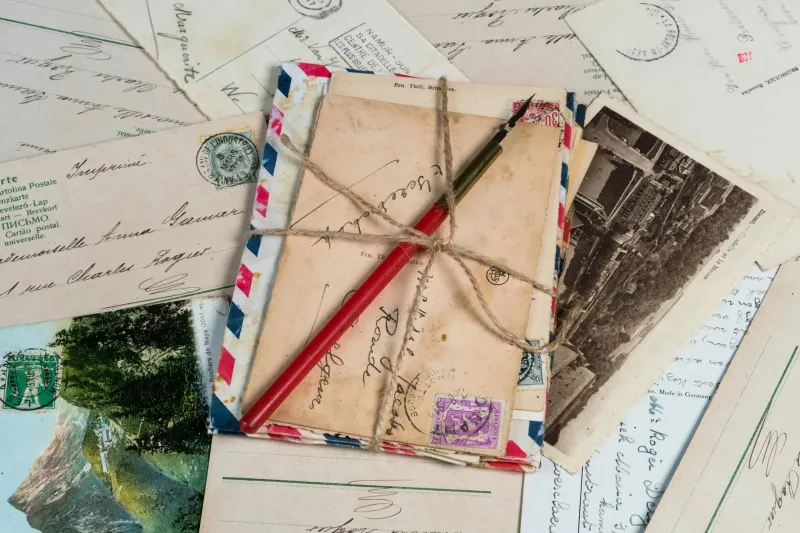
Routes were assigned geographically and maintained for decades, allowing drivers to build genuine relationships with customers. Children grew up knowing their milkman by name, often helping carry bottles to the kitchen or leaving thank-you notes during holidays. Elderly customers relied on these daily check-ins as proof of life, while working mothers coordinated special requests through handwritten notes left in empty bottles.
The delivery model itself encouraged this personal connection. Milkmen entered private property, often accessing back porches or kitchen entries. They adjusted orders based on family circumstances, extended credit during tough times, and occasionally performed small favors like retrieving dropped newspapers or checking on pets. The commercial relationship became deeply embedded in daily family life.
Beyond Milk: The Full-Service Neighborhood Economy
By the 1950s, many delivery routes had expanded beyond dairy products to include eggs, bread, juice, and seasonal items. This evolution reflected the trust customers placed in their delivery drivers and the economic efficiency of consolidated home service. Milkmen became personal shoppers who understood family preferences and could make intelligent substitutions when specific products were unavailable.
These expanded services created mini-economies within neighborhoods. Drivers coordinated with local bakeries, egg farms, and specialty producers to offer customers variety while supporting small businesses. The system distributed economic opportunity across communities rather than concentrating it in large retail chains.
Customers paid weekly or monthly, often through personal checks or cash left in milk boxes. This credit system operated on trust and personal accountability, with drivers maintaining detailed records of each family's account. The financial relationship reinforced social bonds, making customers and drivers mutually invested in each other's success.
The Efficiency Revolution That Killed Connection
Several forces converged to eliminate traditional home delivery by the 1970s. Suburban sprawl made routes less economical, while the rise of refrigeration and automobile ownership reduced the necessity for daily delivery. Supermarket chains offered lower prices and greater variety, making weekly shopping trips more attractive than daily doorstep service.
Labor costs also played a crucial role. The personal attention that made milkmen valuable also made them expensive. As competition intensified, dairy companies prioritized efficiency over relationship-building, gradually transitioning to bulk retail distribution that eliminated the human element entirely.
Changing family structures accelerated this transition. As more mothers entered the workforce, fewer people were home during traditional delivery hours. The social interaction that had been a key benefit became less relevant to families focused on convenience and speed.
The Return of Delivery Without the Delivery Person
Today's delivery revolution dwarfs anything America experienced during the milkman era. Amazon delivers millions of packages daily, DoorDash brings restaurant meals to doorsteps, and subscription services provide everything from pet food to razor blades on automated schedules. The convenience and selection far exceed what Harold Jenkins could offer in 1955.
But modern delivery operates on fundamentally different principles. Algorithms optimize routes for speed and cost, not relationship building. Drivers work for multiple platforms, rarely seeing the same customers twice. GPS tracking and contactless delivery minimize human interaction, prioritizing efficiency over connection.
The contrast becomes stark when considering customer service. Today's delivery problems are resolved through chatbots, phone trees, and online forms. When packages go missing or orders arrive damaged, customers navigate corporate bureaucracies rather than calling someone who knows their address and delivery preferences personally.
What We Gained and What We Lost
Modern delivery systems offer undeniable advantages: lower costs, greater selection, faster service, and 24/7 availability. Customers can order obscure products from global suppliers and receive them within days, a level of access that would have seemed magical to previous generations.
However, we've also lost something significant: the informal support network that traditional delivery provided. Elderly customers no longer have daily wellness checks from trusted community members. Families experiencing emergencies can't rely on delivery drivers who know their circumstances and care about their wellbeing.
The economic impact extends beyond individual relationships. Traditional delivery routes supported local drivers who lived in the communities they served, keeping money within neighborhoods. Today's gig economy drivers often work far from home, and delivery profits flow to distant corporate headquarters rather than local businesses.
The Neighborhood Watch We Didn't Know We Had
Perhaps most importantly, we lost a form of community surveillance that wasn't intrusive but was deeply caring. Milkmen noticed patterns that indicated problems: newspapers piling up, unusual behavior, or signs of distress. This informal monitoring system provided security for vulnerable residents without requiring formal social services or government intervention.
Modern technology promises similar benefits through smart doorbells, package sensors, and delivery notifications, but these systems monitor packages, not people. They can tell you when a delivery arrives but can't recognize when an elderly neighbor needs help or a family is struggling financially.
When Efficiency Became Everything
The transformation from milkman to Amazon Prime represents more than just improved logistics—it reflects America's broader shift toward prioritizing efficiency over relationship. We've optimized delivery for speed and cost while systematically removing the human elements that once made commercial transactions feel personal and caring.
In gaining the ability to order anything, anytime, we may have lost something equally valuable: the daily reminder that commerce can be a form of community care, and that the person bringing goods to your door might also be watching out for your wellbeing.