
The $50 Trophy That Changed Everything
In 1978, twelve-year-old Jennifer Walsh won her elementary school spelling bee by correctly spelling "chrysanthemum" in front of forty parents seated on metal folding chairs in the gymnasium. Her prize was a small trophy, a certificate, and the honor of representing Lincoln Elementary at the county competition—where she would misspell "phenomenon" in the third round and return home to normal sixth-grade life.
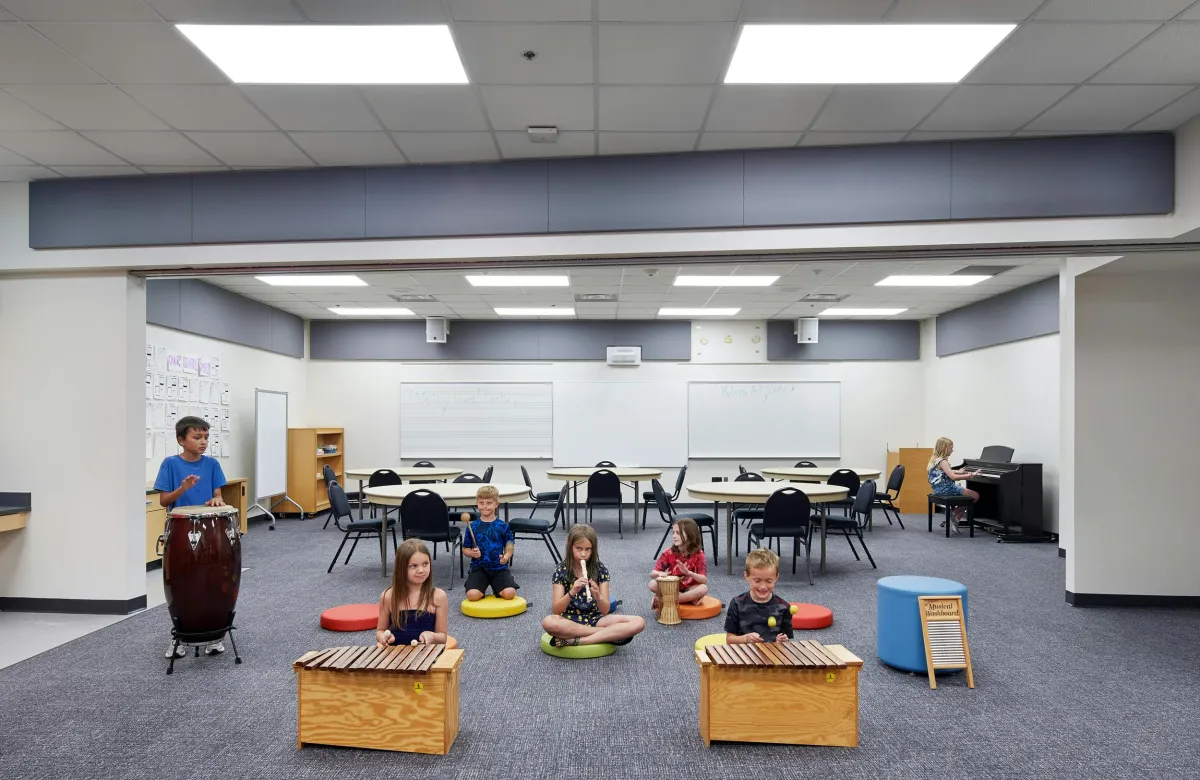 Photo: Lincoln Elementary, via wold.imgix.net
Jennifer's experience represented the typical American childhood competition: low-stakes, community-focused events where participation mattered more than perfection and losing was simply part of learning.
Today, that same school spelling bee has been transformed into something Jennifer wouldn't recognize. Students train year-round with specialized coaches, parents invest thousands of dollars in preparation programs, and local victories serve as stepping stones toward nationally televised championships where children perform under pressure that would challenge professional athletes.
When Schools Celebrated Trying
Traditional school competitions operated on fundamentally different principles than today's achievement culture. Science fairs featured projects made from household materials and library research, not laboratory-quality experiments funded by parental expertise. Talent shows welcomed anyone brave enough to perform, regardless of formal training or natural ability.
These events served multiple community functions beyond identifying winners. They gave children experience with public speaking, taught valuable lessons about preparation and disappointment, and provided families with shared experiences that strengthened neighborhood bonds. Most importantly, they normalized both success and failure as natural parts of childhood development.
The competitive structure itself encouraged broad participation. Schools typically held multiple rounds of internal competition, ensuring most students experienced both victory and defeat before reaching district-level events. This progression taught children that winning and losing were temporary experiences, not permanent labels that defined their worth or future prospects.
Parental involvement remained supportive but limited. Mothers might help with costume selection for talent shows or quiz children on spelling words during car rides, but few families viewed elementary school competitions as serious training opportunities requiring professional intervention.
The Professionalization of Childhood Achievement
The transformation began in the 1990s as several cultural forces converged to intensify competitive pressure. Media coverage of national competitions like the Scripps National Spelling Bee grew more sophisticated, turning child contestants into celebrities and inspiring families to view local competitions as potential pathways to fame and fortune.
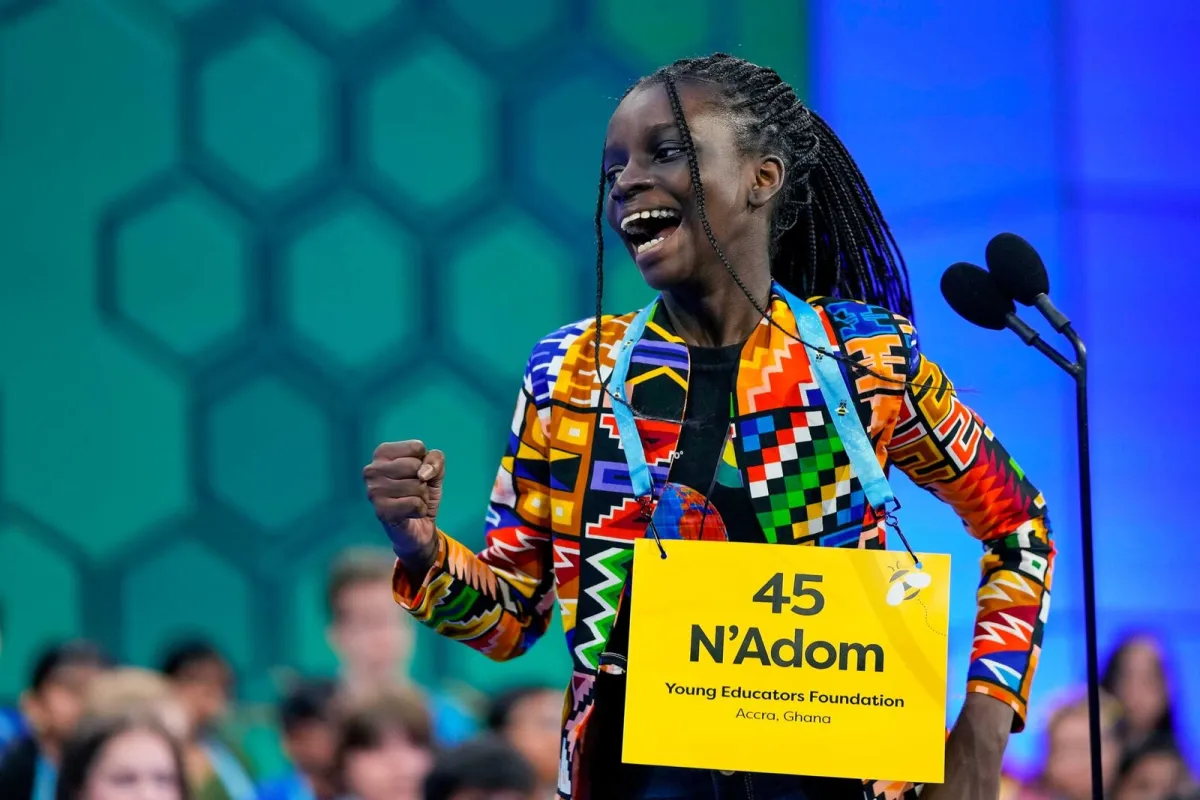 Photo: Scripps National Spelling Bee, via i.abcnewsfe.com
College admissions became increasingly competitive during the same period, leading parents to seek any advantage that might distinguish their children from peers. What had once been casual school activities became resume-building opportunities, with families strategically selecting competitions based on scholarship potential and university appeal.
The internet revolutionized preparation methods, providing access to professional training materials, specialized coaching services, and detailed analysis of winning strategies. Families could now study every word from previous national spelling bees, hire former champions as tutors, and purchase software that mimicked tournament conditions.
The Economics of Elementary Excellence
Modern competitive preparation has become a significant family investment. Spelling bee coaching services charge $100-300 per session, while comprehensive training programs can cost several thousand dollars annually. Science fair consultants help students design projects worthy of regional competition, and talent show coaches provide professional instruction in performance techniques.
These costs create economic barriers that didn't exist when competitions relied on school resources and family support. Children from wealthy families gain access to professional advantages that fundamentally alter the competitive landscape, transforming contests that once reflected natural ability and hard work into displays of family financial capacity.
The time investment has also intensified dramatically. Students now train year-round for competitions that their parents might have prepared for over a few weeks. This intensive focus often requires sacrificing other childhood activities, creating specialists rather than well-rounded students.
When Winning Became Everything
Perhaps most significantly, the culture around childhood competition has shifted from celebrating participation to demanding victory. Social media amplifies both success and failure, creating permanent records of childhood achievements that follow students throughout their academic careers.
Parents now view local competitions as investments in their children's futures, leading to intense pressure that transforms fun activities into stressful performances. Children learn to associate their self-worth with competitive results, developing anxiety around events that were once enjoyable community celebrations.
This pressure extends to schools, which increasingly view competitive success as measures of institutional quality. Teachers and administrators feel compelled to identify and train potential winners, sometimes at the expense of broader educational goals that serve all students rather than just the most gifted competitors.
The Unintended Consequences of Excellence
The professionalization of childhood competition has created several unexpected problems. Many children now avoid participating in events where they might not excel, missing valuable learning experiences because they fear public failure. The emphasis on winning has reduced the diversity of participants, as families self-select out of competitions they view as too intensive or expensive.
Schools struggle to balance competitive excellence with inclusive education, often creating separate tracks for serious competitors and casual participants. This segregation undermines the community-building function that competitions once served, replacing shared experiences with specialized training programs that serve only the most dedicated families.
The psychological impact on children has become increasingly concerning. Young competitors experience stress levels typically associated with professional athletics, including performance anxiety, depression following defeats, and identity crises when competitive careers end.
The Real Cost of Childhood Optimization
The transformation of local competitions into national training grounds reflects broader changes in American parenting and education. We've optimized childhood for achievement at the expense of exploration, replacing diverse experiences with specialized focus that prepares children for specific competitions rather than general life challenges.
This shift has economic implications that extend beyond individual families. Communities invest heavily in competitive programs while reducing funding for broader educational activities that serve all students. The message becomes clear: excellence in narrow areas matters more than competence across multiple domains.
What We Lost in the Translation
The old model of childhood competition wasn't perfect—it sometimes overlooked talented students who needed additional support, and casual preparation could disadvantage motivated children. But it provided something valuable that our current system lacks: the understanding that childhood competitions exist primarily to teach life lessons rather than identify future champions.
When Jennifer Walsh lost that county spelling bee in 1978, she learned that disappointment was survivable and that effort mattered more than results. Today's young competitors, trained by professionals and tracked by media, learn different lessons about performance, pressure, and the relationship between winning and personal worth.
In transforming childhood competition into professional training, America may have gained more skilled young performers but lost something equally important: the idea that trying your best was reward enough, and that losing gracefully was just as valuable as winning perfectly.