When Baseball Was for Everyone
Picture this: It's a warm Saturday afternoon in 1972, and you decide you want to catch the Cubs game. You hop in the car, drive to Wrigley Field, walk up to the box office, and hand over $4 for a grandstand seat. No advance planning, no smartphone apps, no dynamic pricing algorithms calculating demand in real-time. Just cash, a ticket, and nine innings of baseball.
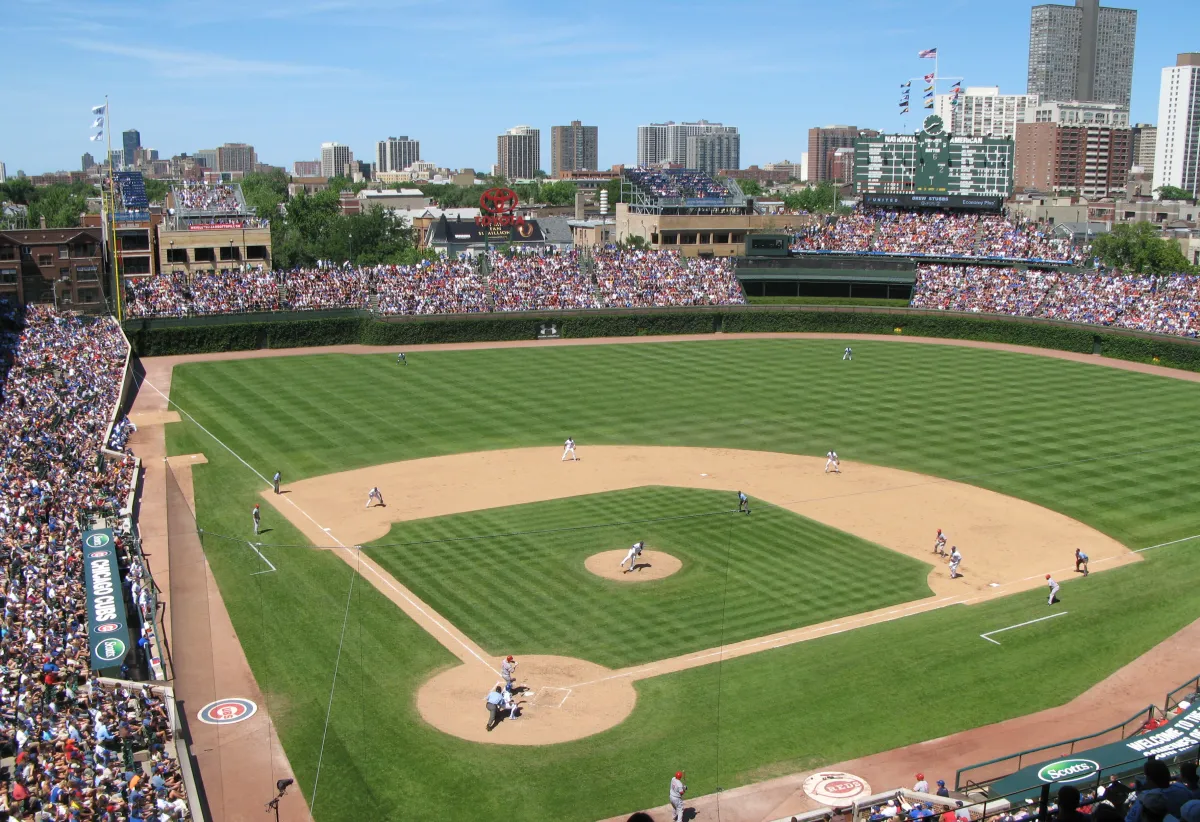 Photo: Wrigley Field, via sabr.org
That world seems almost fictional now, but it was reality for generations of American sports fans. Going to a game was as spontaneous as going to the movies — and often cheaper.
The Simple Economics of Yesterday's Ballpark
In the 1960s and 1970s, most major league baseball tickets cost between $2 and $6, with premium seats rarely exceeding $10. Adjusted for inflation, that $4 Cubs ticket would cost about $28 today. Instead, those same seats now start around $85 on a weekend — before fees.
But the real difference wasn't just price. The entire system operated on straightforward principles. Teams printed tickets, set seasonal prices, and sold them first-come, first-served. No surge pricing when the weather was nice. No different rates for divisional rivals. No "platinum" pricing for popular matchups.
Season ticket holders got the best seats, but plenty of good spots remained available for walk-up fans. The upper deck wasn't considered premium real estate requiring a mortgage application.
How Technology Transformed the Game
The shift began in the 1990s with computerized ticketing systems, but the real transformation came with the internet. What started as convenience — buying tickets online instead of waiting in line — evolved into something far more complex.
Dynamic pricing algorithms now adjust ticket costs based on weather forecasts, team performance, opposing pitchers, and historical attendance data. The same seat that costs $45 for a Tuesday game against a last-place team might run $180 when the Yankees come to town on Saturday night.
StubHub launched in 2000, initially as a way for season ticket holders to recoup costs for games they couldn't attend. But the secondary market quickly became the primary market, with professional resellers using bots to snap up tickets the moment they go on sale, then flip them at massive markups.
The Fee Revolution
Perhaps nothing illustrates the change better than the modern fee structure. That $4 ticket in 1972 was $4, period. Today's $85 ticket becomes $110 after "convenience fees," "processing fees," and "service charges" — fees for the privilege of buying a ticket to give a team your money.
Ticketmaster, which controls roughly 80% of major venue ticketing, has perfected this system. The company makes more profit from fees than from the actual ticket sales, creating an incentive to make the process as complex and fee-heavy as possible.
When Fandom Required Financial Planning
Today's sports attendance demands the budgeting skills of a vacation planner. Families research ticket prices weeks in advance, compare multiple platforms, and often pay more for parking than previous generations spent on tickets and concessions combined.
The average American family of four now spends over $300 for a single MLB game, including tickets, parking, and basic concessions. In 1975, that same family could attend a dozen games for less money.
This pricing revolution hasn't just changed who attends games — it's altered the entire atmosphere. The spontaneous, diverse crowds that once defined American sports have been replaced by more affluent, planned-in-advance audiences. The bleacher bums and working-class season ticket holders who created baseball's legendary atmospheres simply can't afford to participate anymore.
The Lost Art of the Last-Minute Decision
Something intangible disappeared when sports became a luxury purchase requiring advance planning and budget allocation. The father who could surprise his kids with a trip to see Mickey Mantle play. The college students who scraped together gas money and bought cheap seats to watch Magic Johnson. The retirees who became unofficial team historians by attending dozens of games each season.
These weren't wealthy fans — they were regular Americans for whom sports provided affordable entertainment and community connection. The modern ticketing system has systematically excluded this demographic, replacing them with corporate clients and affluent families treating games as special occasions rather than regular entertainment.
What We Traded Away
The efficiency gains are real. No more waiting in long lines, no more sold-out disappointments after driving across town. Apps provide detailed seat views, weather updates, and concession ordering. Dynamic pricing theoretically ensures tickets go to fans who value them most.
But we've traded accessibility for optimization, community for commerce. Sports were once democratic experiences where cab drivers sat next to lawyers, where kids learned to keep score from strangers who'd been attending games for decades. That shared cultural experience — messy, spontaneous, and affordable — helped create the passionate fan bases that made American sports special.
Today's perfectly optimized, algorithmically-priced ticketing system delivers maximum revenue extraction. Whether it delivers the communal joy that made sports America's pastime is another question entirely.