The $200 Summer Adventure That Became a $3,000 Necessity: What Happened to America's Family Road Trip
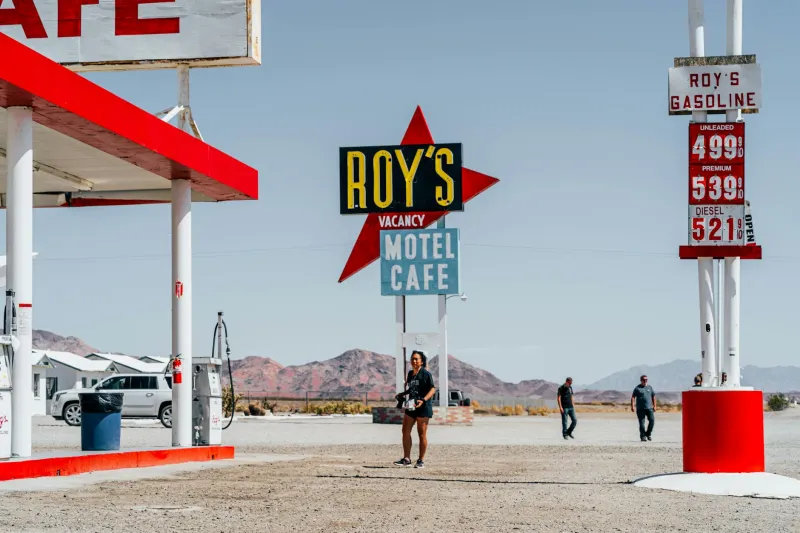
The Summer Ritual That Defined Childhood
In 1975, the Johnson family from suburban Cleveland packed their station wagon with suitcases, a cooler full of sandwiches, and three restless kids for their annual two-week road trip to Yellowstone and back. The entire adventure — gas, motels, meals, and even a few roadside attractions — cost them $247. That's roughly $1,300 in today's money.
Last summer, the Martinez family from the same Cleveland suburb attempted a similar journey. Two weeks, three kids, roughly the same route. Their total? $4,200.
Somewhere between those two family vacations, the great American road trip transformed from an accessible summer tradition into a carefully budgeted expedition that many families simply can't afford anymore.
When Gas Was Cheap and Motels Were Cheaper
The economics of 1970s family travel seem almost fictional today. A gallon of gas cost 44 cents in 1975 — about $2.30 in current dollars. That's actually cheaper than today's national average. But here's where things get interesting: cars got dramatically better gas mileage on the highway, and families weren't driving SUVs that guzzled fuel like a teenager drinks soda.
The real shocker was accommodation. A decent roadside motel — the kind with a pool and continental breakfast — charged between $12 and $18 per night in 1975. Adjusted for inflation, that's $63 to $95 today. Try finding a family-friendly hotel room for under $100 anywhere along a major tourist route. You'll be lucky to find one for under $150, and $200+ is increasingly common.
Dinner at a family restaurant like Denny's or a local diner cost around $15 for a family of five. Today's equivalent meal runs $45-60 before tip.
The Corporate Takeover of American Hospitality
What happened wasn't just inflation. The entire structure of American travel changed.
In the 1970s, most motels were family-owned operations with thin profit margins and local competition. The owners lived on-site, kept costs low, and competed primarily on price and cleanliness. A room was a room — four walls, two beds, a bathroom, and maybe a TV that got three channels.
Today's hotel industry is dominated by corporate chains with shareholders to please. Every property needs a fitness center, business center, upgraded WiFi, premium bedding, and elaborate breakfast buffets. These amenities sound nice, but families in 1975 didn't need them — they were too busy exploring actual destinations to worry about the hotel gym.
The consolidation created another problem: dynamic pricing. While mom-and-pop motels charged the same rate whether it was Tuesday in March or Saturday in July, modern hotels adjust prices based on demand, local events, and sophisticated algorithms that would make a Wall Street trader proud.
When Attractions Were Actually Affordable
The roadside attractions that made family road trips magical were priced for regular families. Wall Drug charged 25 cents for coffee and a nickel to see the jackalope. Reptile farms, mystery spots, and giant ball-of-twine monuments typically cost less than a dollar per person.
Today's equivalent family attractions — theme parks, water parks, and "experiences" — charge admission fees that would have covered an entire 1970s vacation. A family day at a mid-tier theme park now costs $300-400, not including food or parking.
Even national parks, once accessible to everyone, now charge $30-35 per vehicle for weekly passes. In 1975, it was $3.
The Hidden Costs That Didn't Exist
Modern road trips carry expenses that families in 1975 never considered. Cell phone plans with enough data for navigation and entertainment can add $50-100 to a trip. GPS devices, while helpful, cost money. Bottled water, now considered essential, was virtually unknown.
More significantly, the expectation of dining out for every meal replaced the cooler-and-sandwich approach. Families today spend 3-4 times more on food during travel, partly from convenience and partly from the disappearance of roadside picnic areas and the cultural shift away from packed meals.
The Income Reality Check
Here's the crucial context: in 1975, median household income was about $11,800. A $247 road trip represented roughly 2.1% of annual income.
Today's median household income is approximately $70,000. That same percentage would allow for a $1,470 vacation budget. But as we've seen, the actual cost has ballooned to $3,000-4,000 for the same experience.
The American road trip hasn't just gotten more expensive — it's outpaced income growth by a factor of two or three.
What We Lost Along the Highway
The transformation of road trip economics represents more than sticker shock. It reflects a broader shift in how Americans experience travel and family time.
When road trips were affordable, they were democratic. Families across income levels could pile into a car and explore the country together. The shared experience of roadside diners, quirky motels, and budget-friendly attractions created common cultural touchstones.
Today's travel landscape increasingly divides families into those who can afford elaborate vacations and those who stay home. The middle ground — the accessible adventure that defined American summers for generations — has largely disappeared.
The road trip isn't dead, but it's no longer the everyman's adventure it once was. Somewhere between the corporate takeover of hospitality and the premium-ization of travel, America priced its own families out of one of their most cherished traditions.