The Man with the Toolbox
In 1965, when Martha Henderson's Frigidaire refrigerator started making strange noises, she didn't drive to Sears to buy a new one. She called Eddie's Appliance Repair on Main Street. Eddie himself showed up Tuesday morning with a worn leather toolbox, diagnosed a failing compressor motor, and had the fridge humming quietly again by lunchtime. Total cost: $18. The refrigerator ran for another twelve years.
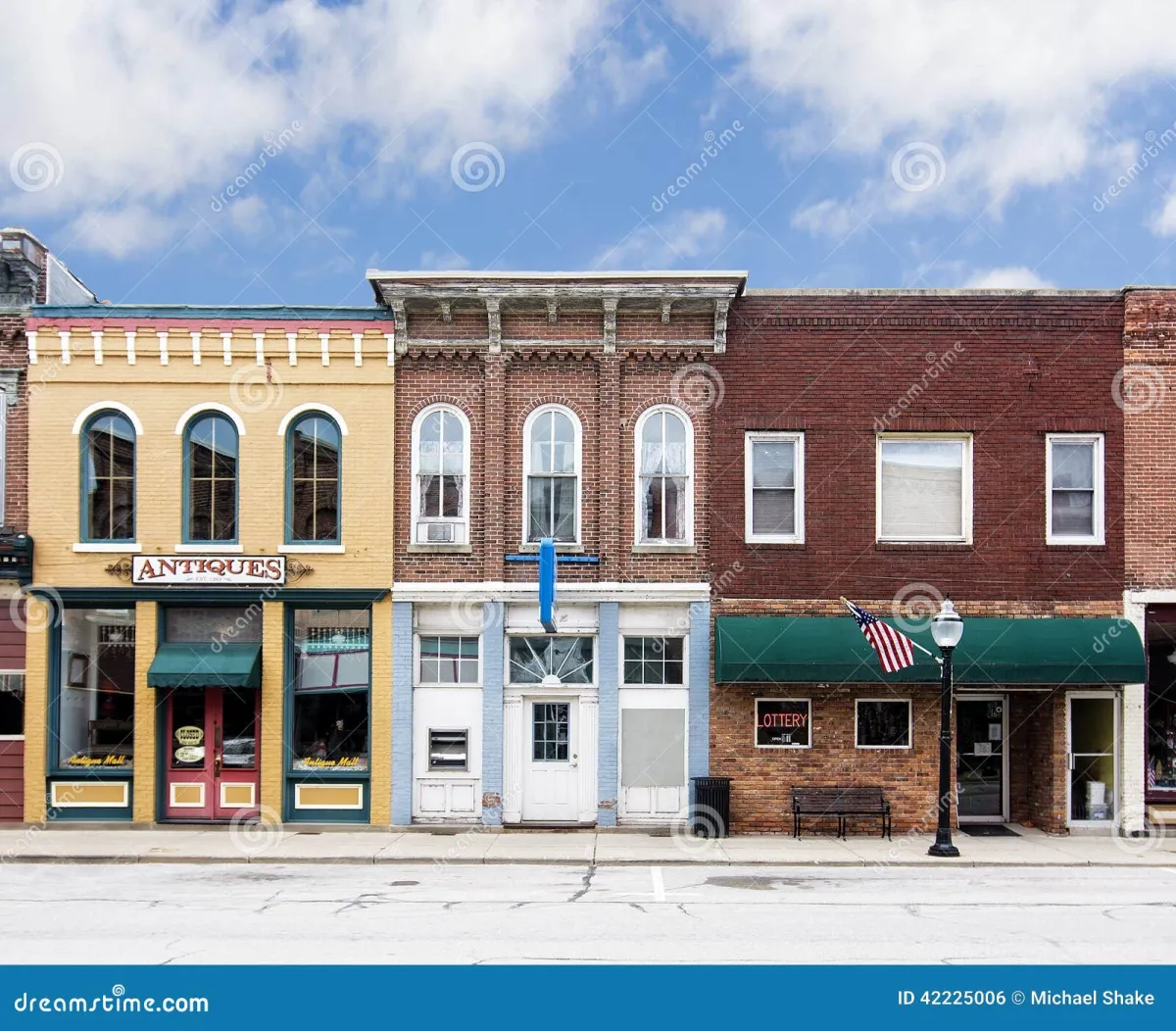 Photo: Main Street, via thumbs.dreamstime.com
This wasn't remarkable—it was routine. Across America, neighborhood repair shops kept washing machines, dryers, refrigerators, and televisions running for decades. Appliances weren't designed to be replaced; they were designed to be fixed.
Built to Last, Made to Mend
Mid-century American appliances were engineering marvels of durability and repairability. Manufacturers like General Electric, Whirlpool, and Maytag competed on longevity, not planned obsolescence. A washing machine was expected to run for 20-25 years with regular maintenance.
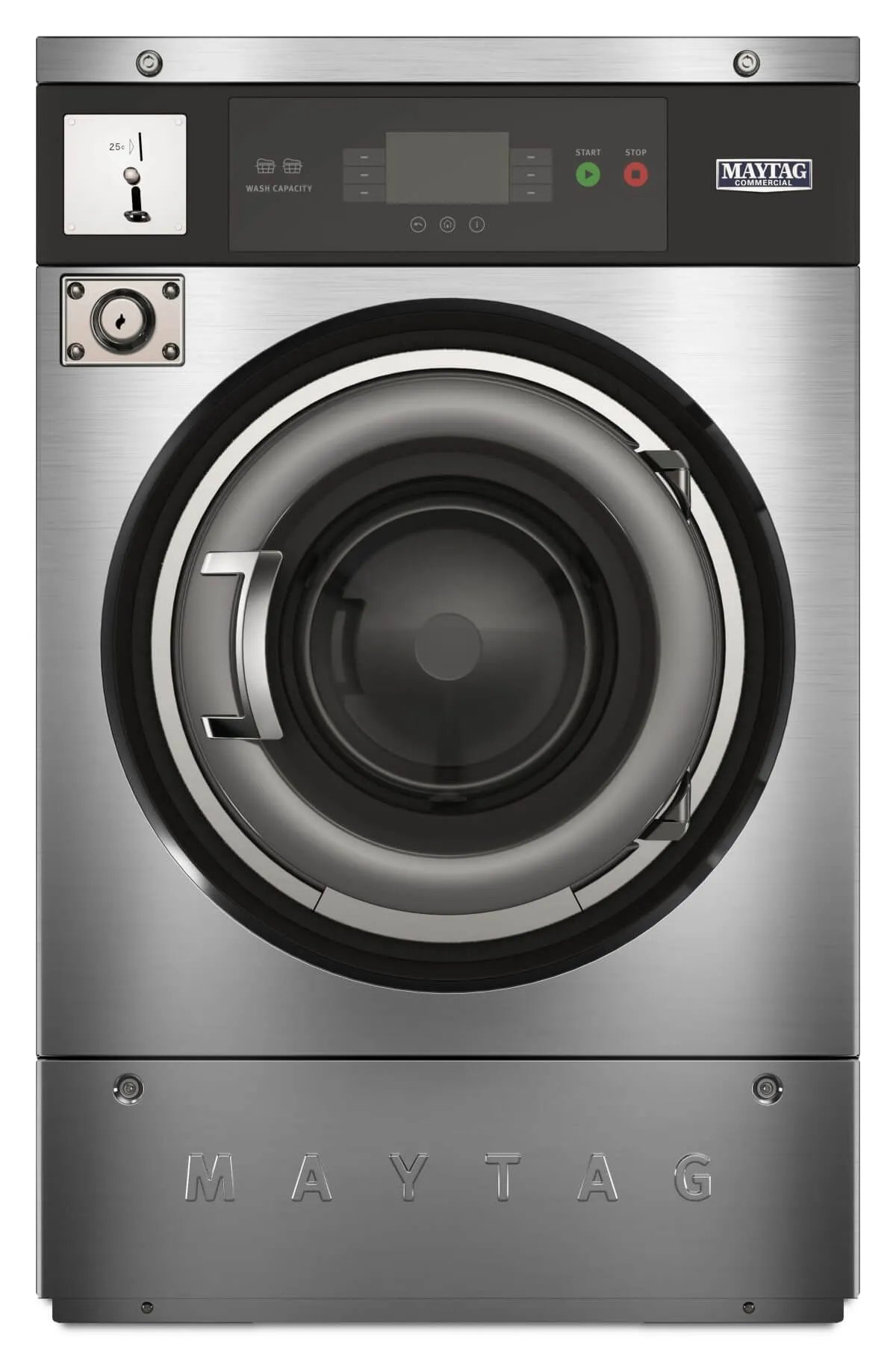 Photo: Maytag, via www.cpec-laundry.com
More importantly, they were designed with repair in mind. Components were modular and accessible. Service manuals included detailed diagrams showing how to replace every part. Manufacturers maintained parts inventories for decades after a model's discontinuation. Local repair shops could fix almost anything because everything was designed to be fixable.
The Maytag repairman became a cultural icon precisely because Maytag appliances rarely broke—and when they did, they could be economically repaired rather than replaced.
The Repair Economy
Every American town had its appliance repair shops, usually family-owned businesses passed down through generations. These weren't just service centers—they were knowledge repositories. Repair technicians knew the quirks of every model, the common failure points, and the tricks that could extend an appliance's life by years.
Consumers developed relationships with their repair shops. You didn't just call for emergency fixes—you scheduled annual maintenance visits. Technicians would clean your dryer vents, replace worn belts, and spot potential problems before they became expensive failures.
This repair economy supported thousands of small businesses and created jobs that couldn't be outsourced overseas. More importantly, it made appliance ownership affordable for middle-class families. A $300 washing machine that lasted 20 years with occasional $25 repairs was accessible to families who couldn't afford to replace appliances every few years.
The Great Shift
Everything changed in the 1980s and 1990s when manufacturers discovered they could increase profits by making appliances harder to repair and more likely to fail. This wasn't an accident—it was a deliberate business strategy called planned obsolescence.
Designers began integrating components that couldn't be separated. They used proprietary screws that required special tools. They embedded computer chips that couldn't be repaired, only replaced—often at costs approaching the price of a new appliance.
Manufacturers also shortened their parts support cycles. Instead of maintaining parts inventories for 20 years, they stopped after 7-10 years. Even if your appliance could theoretically be repaired, the parts simply weren't available.
The Repair Shop Extinction
As appliances became harder to fix and parts became unavailable, America's repair shops began closing. Why pay someone $150 to diagnose a problem when a new appliance costs $400? Why wait for parts when you can buy a replacement at Home Depot this afternoon?
The repair technicians who had spent decades learning their trade found themselves obsolete. Their skills—accumulated over years of hands-on experience—became worthless when manufacturers stopped supporting the products they knew how to fix.
By 2020, most American towns had no appliance repair shops at all. The few that survived specialized in high-end brands or antique appliances, serving niche markets rather than mainstream consumers.
The New Math of Replacement
Modern appliances embody a completely different economic philosophy. Instead of building machines that last decades, manufacturers build machines that last just long enough to avoid warranty claims—typically 5-7 years for major appliances.
When these appliances fail, replacement is often the only option. A new washing machine costs $600; repairing it costs $300 plus the risk that another component will fail next month. The rational choice is replacement, even if it feels wasteful.
This shift has transformed appliance purchasing from a once-in-a-generation decision to a regular household expense. Families now budget for appliance replacement the way previous generations budgeted for repairs.
The Environmental Reckoning
The move from repair to replacement created an environmental catastrophe that's only now becoming visible. The EPA estimates that Americans discard 9.7 million tons of appliances annually—most of which could be repaired if parts were available and repairs were economical.
These appliances contain valuable materials—steel, aluminum, copper, and rare earth elements—that require enormous energy to mine and process. When we throw away a washing machine, we're not just discarding the machine; we're discarding all the energy and resources that went into making it.
The old repair culture was inadvertently sustainable. By keeping appliances running for decades, America consumed far fewer resources per household. Families owned fewer things, but those things lasted longer.
The Right to Repair Movement
Recently, a "Right to Repair" movement has emerged, demanding that manufacturers design products to be fixable and provide parts and service manuals to independent repair shops. Several states have introduced legislation requiring companies to support repairs for reasonable periods.
Some manufacturers are responding. A few appliance brands now emphasize repairability and longevity, targeting consumers who remember when appliances were built to last. But these remain niche products in a market dominated by planned obsolescence.
What We Lost
The death of appliance repair represents more than just economic change—it's a loss of cultural values that once defined American resourcefulness. Previous generations took pride in maintaining and extending the life of their possessions. "Use it up, wear it out, make it do, or do without" wasn't just Depression-era frugality; it was common sense.
We also lost the satisfaction of fixing things. There's something deeply human about diagnosing a problem, understanding how something works, and restoring it to function. The throwaway culture has disconnected us from the objects we depend on daily.
The True Cost of Disposability
The shift from repair to replacement has cost American families far more than they realize. While individual appliances might be cheaper today, the total lifetime cost of appliance ownership has increased dramatically when you factor in replacement cycles.
A 1960s refrigerator that cost $400 and lasted 25 years had a total cost of ownership around $16 per year. A modern refrigerator that costs $1,200 and lasts 8 years costs $150 per year—nearly ten times as much.
We traded durability for convenience, longevity for features, and repairability for style. Whether that was a good trade depends on what you value—but it's a trade most Americans didn't consciously choose to make.